
A properly functioning sump pump is your first line of defense against basement flooding and expensive water damage. Whether you’re a homeowner or a property manager, staying on top of sump pump maintenance can save you thousands in repairs and headaches, especially during Boston’s heavy rain or snowmelt.
Here’s your step-by-step guide to keeping your sump pump in top condition, all year round.
🔎 Step 1: Inspect Your Sump Pump Regularly
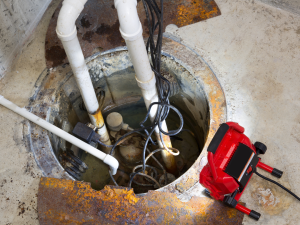
Regular inspections can help you catch issues before they become emergencies. Do this every 3 months, or before heavy storms:
- Power Supply Check
Make sure it’s plugged into a GFCI outlet and connected to a battery backup system. - Visual Inspection
Look for rust, debris buildup, or visible cracks in the pump housing. - Discharge Pipe
Confirm it’s secure, not frozen or clogged, and draining away from your home’s foundation.
🔗 Related Resource: How to Inspect Your Sump Pump (Video)
💦 Step 2: Test the Pump for Proper Operation
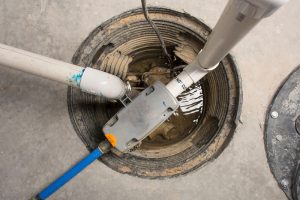
✅ How to Test It:
- Pour about 5 gallons of water into the sump pit.
- The float should rise, activating the pump.
- It should quickly pump out the water and shut off once finished.
- 🔍 Listen for strange noises like grinding or rattling, this could indicate a damaged impeller or motor.
- 🛠 Fix Tip: If the pump doesn’t activate, the float switch may be stuck. Gently lift it to test functionality.
- 📄 Download: Sump Pump Troubleshooting Checklist (PDF)
🧽 Step 3: Clean & Maintain Key Components
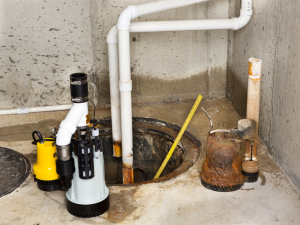
Even a strong sump pump won’t help if the pit is full of sludge.
- Clear Out Debris:
- Remove leaves, gravel, and buildup from the sump pit and intake screen.
- Remove leaves, gravel, and buildup from the sump pit and intake screen.
- Check the Check Valve:
- This prevents water from flowing back into the pit. Make sure it’s functioning properly.
- This prevents water from flowing back into the pit. Make sure it’s functioning properly.
- Flush the System:
- Run a vinegar-water solution through the pump to eliminate mineral buildup and odors.
- Run a vinegar-water solution through the pump to eliminate mineral buildup and odors.
📥 Download: ✅ Sump Pump Cleaning Guide (PDF)
📹 Watch: How to Clean a Sump Pump (YouTube)
🔋 Step 4: Prepare Your Backup Plan
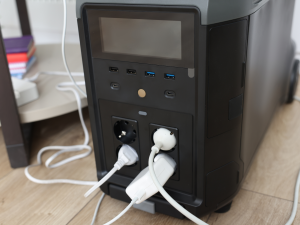
Many sump pump failures happen during power outages, when you need it most. Here’s how to stay ready:
- Install a Battery Backup Pump:
Works even during power loss. Replace the battery every 2–3 years. - Consider a Water-Powered Backup Pump:
Ideal if your home has constant water pressure, it doesn’t require electricity or batteries. - Post Emergency Contacts:
Create a contact list with your plumber, maintenance team, and property manager.
📥 Download:
- ✅ Emergency Plumbing Contact Sheet (PDF)
- ✅ Winter Plumbing Prep Guide (PDF)
🧰 Landlord Pro Tip

Make sump pump checks part of your seasonal maintenance checklist and include instructions in your tenant welcome packet.
📂 Resources:
🏘️ Need Help Managing Sump Pump Maintenance?
At Greater Boston Property Management, we provide:
- ✔ Sump pump inspections and servicing
- ✔ 24/7 emergency repair coordination
- ✔ Winterization and water damage prevention
- ✔ Tenant education and communication tools
📞 Call us at 617-394-8341 or
🌐 Visit: www.greaterbostonpm.com
📥 Free Downloads
- ✅ Sump Pump Troubleshooting Checklist (PDF)
- ✅ Sump Pump Cleaning Guide (PDF)
- ✅ Emergency Plumbing Contact Sheet (PDF)
- ✅ Winter Plumbing Prep Guide (PDF)