
When temperatures drop in Boston, frozen pipes can cause serious damage—and major costs—for landlords, tenants, and homeowners. A single burst pipe can lead to thousands of dollars in repairs, water damage, and insurance headaches. But the good news? You can prevent it.
Here’s your step-by-step winter pipe protection plan, complete with smart tools, expert tips, and downloadable checklists.
🔥 1. Keep the Heat On (Even in Vacant Units)
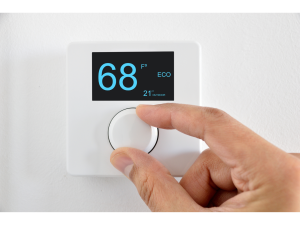
Don’t let the thermostat dip below 55°F—even if the unit is unoccupied. This keeps water flowing and prevents ice from forming.
✅ Landlord Tip: Include winter heating instructions in your New Tenant Welcome Packet (PDF).
🚰 2. Let Faucets Drip Overnight
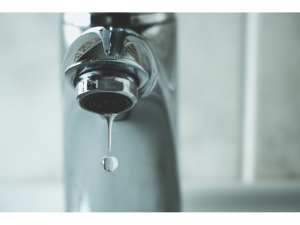
A small, steady drip keeps pressure moving and helps prevent ice blockages—especially for pipes along exterior walls or in poorly insulated areas.
📍 Pro Tip: Focus on kitchen, bathroom, and laundry sinks near exterior walls.
🧰 3. Insulate Exposed Pipes
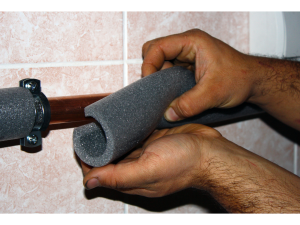
Wrap at-risk pipes with insulation sleeves, foam wraps, or self-regulating heat tape. Focus on:
- Basements and crawlspaces
- Under sinks
- Attics and utility rooms
- Outdoor spigots
🔗 Related Resource: EnergyStar Guide to Pipe Insulation
🚪 4. Open Cabinet Doors at Night
Open kitchen and bathroom cabinets to let warm air circulate around plumbing—especially overnight during deep freezes.
✅ Bonus Tip: Remove household chemicals or cleaners if pets or kids are in the home.
🧱 5. Seal Drafty Spots
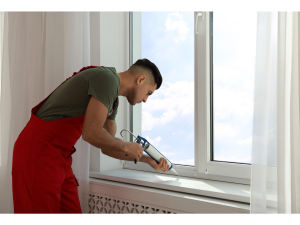
Check for cold air leaks near:
- Pipe penetrations in walls and floors
- Basement windows
- Attic hatches
- Garage walls
Use caulk or spray foam to seal any gaps.
📹 Watch: How to Seal Drafts and Save Energy (YouTube)
🚿 6. Know the Main Shutoff Valve Location
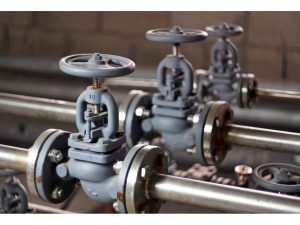
In the event of a burst pipe, shutting off the water fast is key. Make sure:
- Property managers know where the valve is
- Tenants are informed during move-in
- Emergency contacts are posted clearly
📥 Download: Emergency Plumbing Contact Sheet for Landlords (PDF)
📲 7. Go Smart: Install Leak Detectors
Smart water sensors placed near high-risk areas (basements, water heaters, behind toilets) alert you via phone if moisture is detected. Many integrate with apps or smart home systems.
🛒 Recommended Devices:
- Moen Flo
- Honeywell Wi-Fi Leak Detector
- Govee Water Sensor
🧯 BONUS: What to Do If a Pipe Freezes
- 🔧 Turn off the water at the main shutoff
- 💨 Open faucets to relieve pressure
- 🌡 Apply heat with a space heater or hair dryer—never an open flame
- 📞 Call a licensed plumber ASAP
📥 Download: Frozen Pipe Emergency Response Checklist (PDF)
🏘️ Need Help Winterizing Your Rental Properties?
Greater Boston Property Management handles:
- ✅ Seasonal property inspections
- ✅ Winterization services
- ✅ 24/7 emergency repair coordination
- ✅ Tenant education and support
📞 Call us today at 617-394-8341
🌐 Visit www.greaterbostonpm.com
📥 Schedule a Free Winterization Checkup for your rental!