
Why the End of Winter Is the Best Time to Inspect Your Property
The transition from winter to spring is one of the most important times of year for property maintenance.
Snow, ice, freezing temperatures, and winter storms can leave behind damage that is easy to miss at first. As temperatures begin to rise and spring approaches next week, small winter issues can quickly become expensive repairs.
This is the ideal time for landlords and homeowners to:
- Check for winter-related damage
- Prepare systems for warmer weather
- Prevent spring water intrusion
- Improve curb appeal
- Plan seasonal repairs before peak contractor demand
Taking action now helps protect your property before spring rain, thawing ground, and rapid temperature changes make problems worse.
Download: Spring Property Maintenance Checklist (PDF)
Related Blog: Winter Property Maintenance Checklist for Landlords & Homeowners
1. Inspect for Winter Damage Before Spring Starts

Winter can leave hidden damage on both the exterior and interior of a property.
Check these areas first:
☐ Roof shingles and flashing
☐ Gutters and downspouts
☐ Siding and exterior trim
☐ Foundation cracks
☐ Driveways and walkways
☐ Basement walls and ceilings
☐ Attic moisture or insulation issues
The sooner you catch winter damage, the easier it is to fix before spring rain arrives.
2. Watch for Melting Snow and Drainage Problems
As winter ends, snowmelt can reveal drainage issues around the home or rental property.
Look for:
☐ Pooling water near the foundation
☐ Clogged downspouts
☐ Soggy lawn areas
☐ Basement dampness
☐ Erosion near walkways or garden beds
☐ Standing water near exterior walls
Poor drainage at the end of winter often turns into basement leaks and landscaping damage in early spring.
3. Check the Roof, Gutters, and Exterior Trim
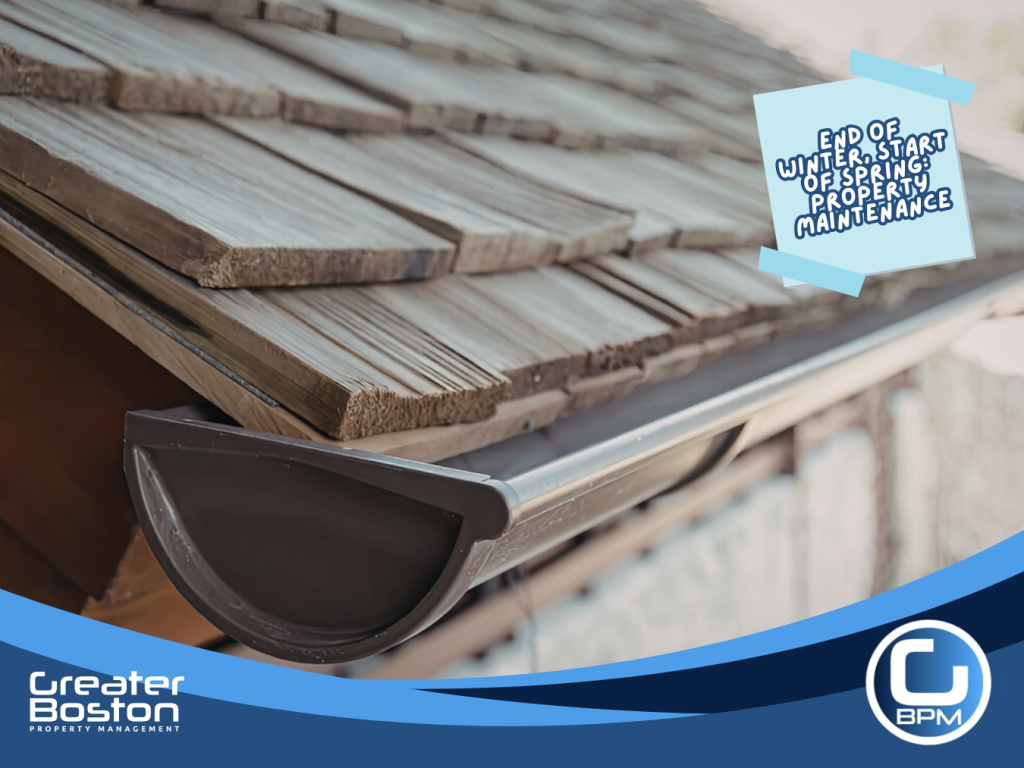
Late winter and early spring are the perfect time to inspect the parts of your property that took the hardest hit during cold weather.
Inspect for:
☐ Missing or lifted shingles
☐ Ice dam damage
☐ Loose gutters
☐ Cracked caulking
☐ Peeling paint
☐ Damaged soffits or fascia
Even minor roof or gutter issues can lead to interior leaks once spring storms begin.
Download: Roof & Gutter Spring Inspection Checklist (PDF)
4. Transition Your HVAC System From Heating to Cooling
As spring begins, it’s smart to shift attention from winter heating safety to warm-weather HVAC prep.
Add these tasks to your checklist:
☐ Replace HVAC air filters
☐ Schedule spring AC tune-up
☐ Clean vents and returns
☐ Check thermostat settings
☐ Inspect outdoor condenser unit
☐ Remove debris around mechanical equipment
This is one of the best times to service your system before summer demand increases.
5. Inspect Plumbing for Freeze Damage
Winter can leave behind cracked pipes, weakened fittings, or leaks that do not show up until temperatures rise.
Check:
☐ Outdoor spigots
☐ Exposed basement pipes
☐ Under-sink plumbing
☐ Utility room lines
☐ Sump pump discharge lines
☐ Water pressure irregularities
Small plumbing problems caught now can help prevent major spring water damage later.
6. Begin Spring Yard and Landscaping Recovery
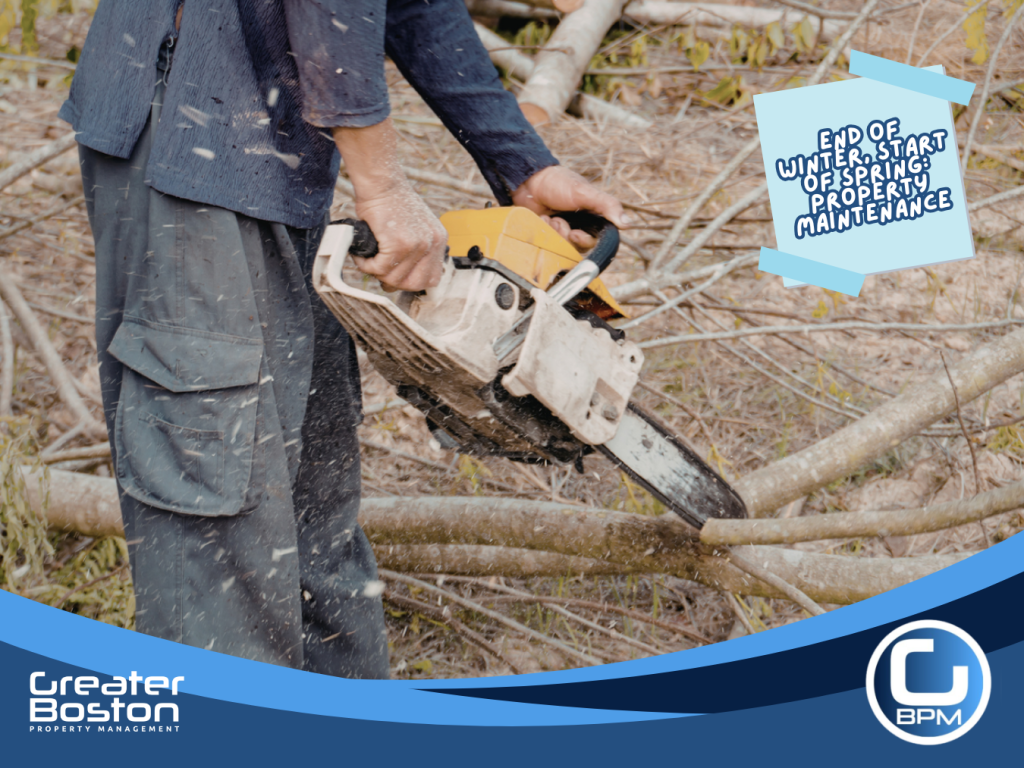
Once snow is gone, outdoor areas often reveal the mess winter left behind.
Early spring cleanup tasks:
☐ Remove fallen branches
☐ Rake dead grass and debris
☐ Inspect edging and garden beds
☐ Check fences and gates
☐ Repair walkway damage
☐ Inspect drainage flow across the yard
This is also the right time to plan low-maintenance improvements that boost curb appeal for rental properties.
7. Prevent Early Spring Pest Problems
As the weather warms up, pests start looking for food, moisture, and access points.
Check for:
☐ Cracks around foundations
☐ Gaps around doors and windows
☐ Moisture buildup near basements
☐ Wood rot or damp mulch
☐ Rodent entry points
☐ Ant trails or insect activity
The end of winter is the perfect time to seal entry points before spring pest activity increases.
8. Landlord Tips for Seasonal Transition
For landlords, this seasonal shift is also a great time to communicate with tenants and plan preventive maintenance.
Landlords should:
☐ Send spring maintenance reminders
☐ Ask tenants to report leaks or drafts
☐ Inspect shared walkways and drainage
☐ Schedule seasonal vendor visits early
☐ Document winter-related damage
☐ Update maintenance logs
Good timing matters. Contractors get busier once spring is fully underway.
End of Winter to Spring Takeaways
✔ Inspect for winter damage now
✔ Watch for drainage and snowmelt issues
✔ Check roofs, gutters, and siding
✔ Service HVAC systems before summer
✔ Inspect plumbing for hidden leaks
✔ Start yard cleanup and exterior repairs
✔ Prevent early spring pest problems
The week between winter and spring is the perfect maintenance window. A little attention now can prevent bigger repair costs later.
Legal Disclaimer
This guide is for informational purposes only. Always follow local building codes, safety requirements, and manufacturer recommendations. For structural, electrical, roofing, or plumbing issues, consult a licensed professional.
Next
Spring Property Maintenance Checklist for Landlords & Homeowners