
Start With a Spring Property Audit (Not Just a Checklist)
Most homeowners do quick seasonal checklists. Smart landlords run a full property audit.
Why this matters:
- Winter damage is often hidden, not obvious
- Small issues quickly turn into expensive spring repairs
- Preventive fixes are 3–5x cheaper than emergency work
- Tenants notice maintenance, and so do inspectors
This guide walks you through a system-by-system inspection, so nothing gets missed.
Download: Spring Property Maintenance Checklist (PDF)
Related: Winter Property Maintenance Checklist for Landlords & Homeowners
1. Roof Drainage System (Not Just the Roof)
Instead of just “checking shingles,” focus on the entire water-shedding system.
✔ Audit These Together:
☐ Shingles, flashing, and penetrations
☐ Gutters and downspouts
☐ Splash blocks and drainage direction
☐ Signs of water pooling near foundation
High-Risk Issues:
- Ice dam damage causing hidden leaks
- Detached gutters from snow weight
- Downspouts dumping water too close to foundation
Helpful Tools:
- Gutter Cleaning Kit (for safe ground-level cleaning)
- Telescoping Inspection Camera (for hard-to-see areas)
- Leaf Guard Inserts (long-term solution)
Related: Roof & Gutter Spring Inspection Checklist (PDF)
2. Exterior Envelope (Your Property’s “Weather Shield”)
Think of your home as a sealed envelope, winter may have broken that seal.
✔ Inspect for:
☐ Cracks in siding or trim
☐ Failed caulking around windows
☐ Soft spots in wood (early rot)
☐ Gaps where pests can enter
Pro Insight:
Air leaks here directly increase energy costs AND moisture damage risk.
Recommended Products:
- Exterior Caulk (weatherproof sealing)
- Expanding Foam Sealant (for gaps and penetrations)
- Moisture Meter (detect hidden water intrusion)
3. Hardscape & Liability Zones (Where Lawsuits Happen)
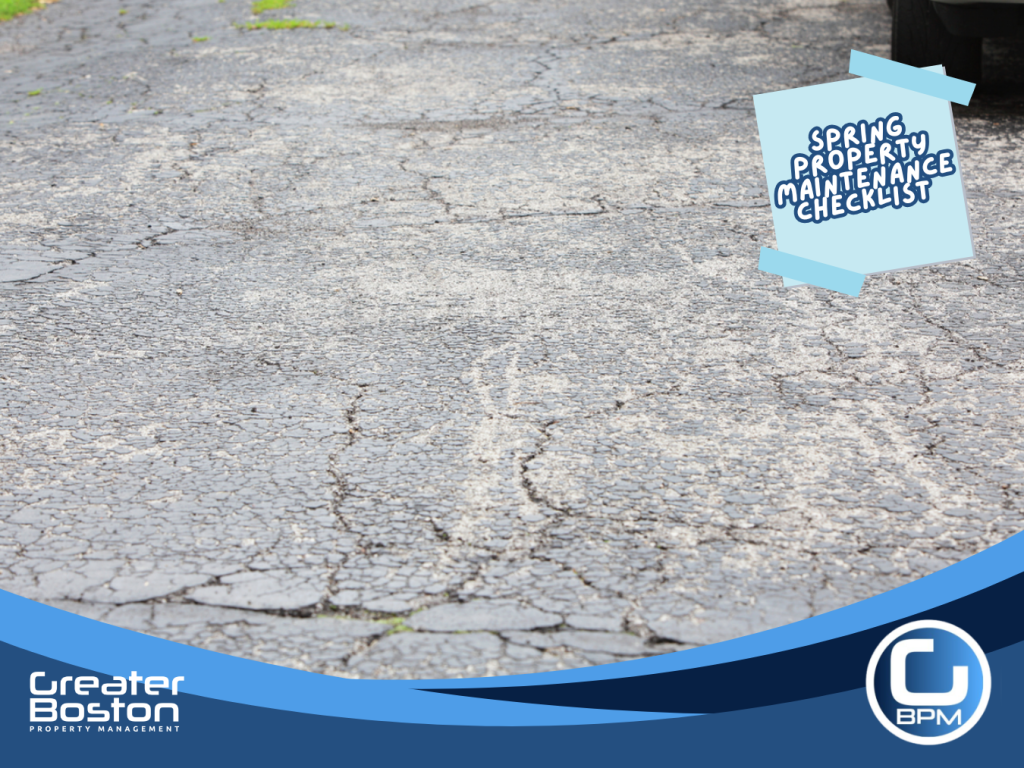
This is where landlords are most exposed to liability claims.
✔ Inspect:
☐ Walkways and sidewalks
☐ Driveways (cracking from freeze-thaw cycles)
☐ Exterior stairs and railings
☐ Entry thresholds
Priority Fixes:
- Uneven slabs (trip hazards)
- Loose railings
- Water pooling → future ice hazards
Recommended:
Related: Home Safety Checks Every Landlord Should Do
4. HVAC Transition: Heating → Cooling Mode
Spring is not just maintenance, it’s a system transition period.
✔ Audit:
☐ AC system startup performance
☐ Air filter condition
☐ Thermostat calibration
☐ Outdoor condenser debris buildup
Pro Tip:
Dirty systems can increase energy costs by 15–25%.
Recommended Products:
- High-Efficiency HVAC Filters (MERV-rated)
- Coil Cleaning Spray
- Smart Thermostat (Nest / ecobee)
Related: HVAC Spring Maintenance Checklist (PDF)
5. Plumbing Stress Test (Post-Freeze Damage Check)
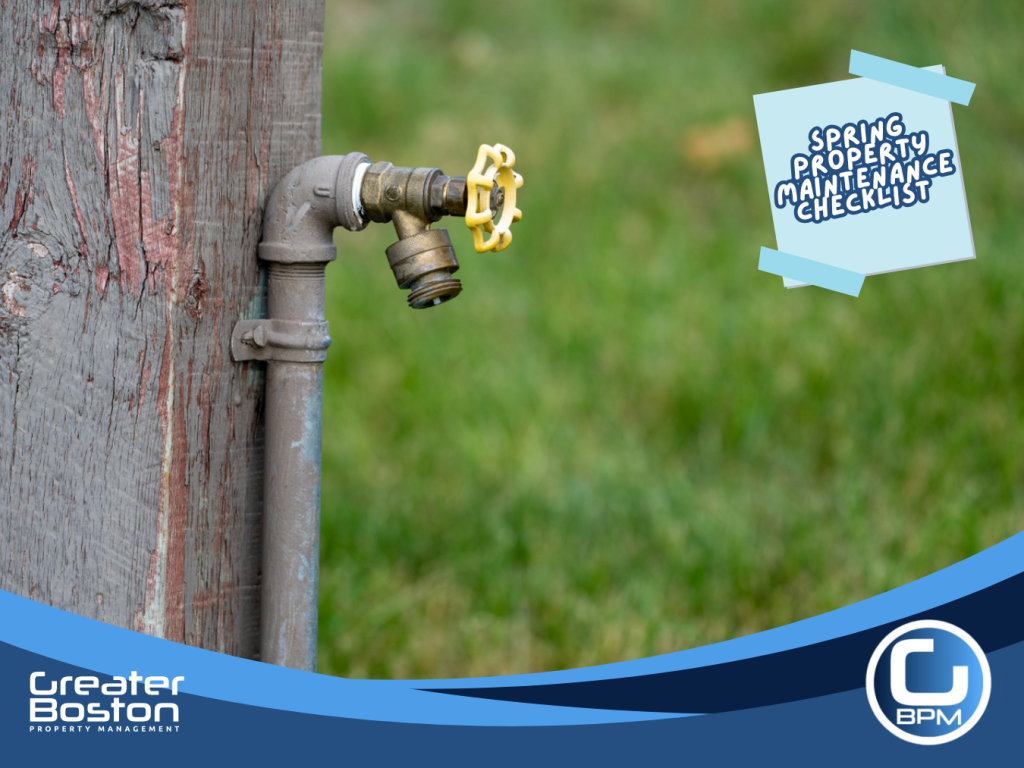
Winter weakens plumbing systems, even if nothing burst.
✔ Run a “Live Test”:
☐ Turn on all faucets simultaneously (check pressure)
☐ Inspect under sinks while water is running
☐ Test outdoor spigots for freeze cracks
☐ Check sump pump operation
Watch for:
- Slow leaks (most expensive long-term issue)
- Pipe expansion cracks
- Hidden moisture in cabinets
Recommended:
- Leak Detection Sensors (great for rentals)
- Pipe Insulation Wrap
- Smart Water Shut-Off Valve (advanced upgrade)
Related: Spring Plumbing Inspection Checklist (PDF)
6. Landscape = Drainage System (Not Just Aesthetics)
Most people think landscaping is cosmetic, it’s actually functional drainage control.
✔ Audit:
☐ Yard slope directing water away from property
☐ Soil erosion near foundation
☐ Blocked drainage paths
☐ Dead grass or compacted soil
Insight:
Poor drainage leads to:
- Basement leaks
- Foundation cracks
- Mold issues
Recommended:
- Lawn Aerato (improves drainage)
- Mulch (moisture control + weed prevention)
- Downspout Extenders
Related: Seasonal Lawn Care Checklist (PDF)
7. Early Pest Detection (Spring Is Ground Zero)
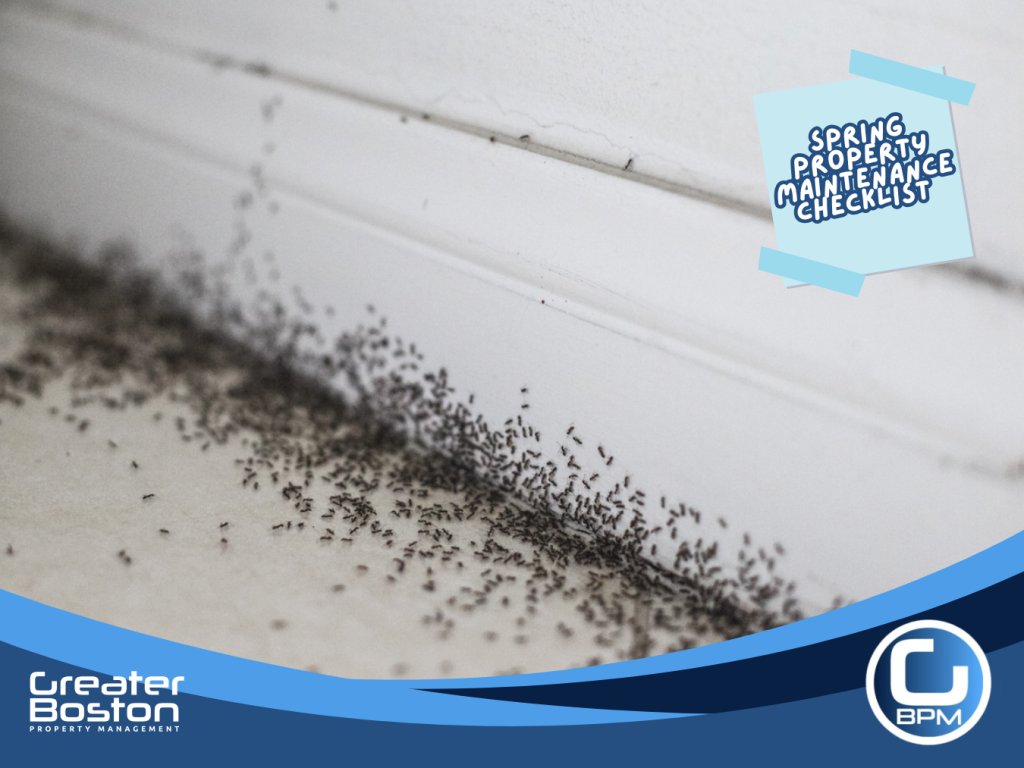
Spring is when infestations start — not peak.
✔ Look for:
☐ Ant trails near foundations
☐ Small wood damage (early termites)
☐ Rodent entry points
☐ Open vents or gaps
Recommended:
- Exterior Pest Barrier Spray
- Steel Wool + Sealant (for entry points)
- Door Sweep Seals
Related: Spring Pest Prevention Guide for Landlords
8. Safety System Reset (Post-Winter Check)
Winter wear can reduce system reliability.
✔ Test:
☐ Smoke detectors
☐ Carbon monoxide detectors
☐ Outdoor lighting
☐ Motion sensors
☐ Security cameras
Recommended:
- Combination Smoke/CO Detectors
- LED Motion Lights (energy-efficient)
- Smart Security Cameras
Related: Spring Home Safety Inspection Checklist (PDF)
Spring Property Audit Summary
✔ Check full roof drainage system
✔ Seal exterior envelope gaps
✔ Fix liability hazards (walkways, stairs)
✔ Transition HVAC systems
✔ Run plumbing stress test
✔ Improve yard drainage
✔ Prevent early pest activity
✔ Reset safety systems
Landlord Strategy: Think Systems, Not Tasks
Most landlords react to problems.
Smart landlords build maintenance systems.
Spring is your opportunity to:
- Prevent 80% of annual maintenance issues
- Reduce emergency repair costs
- Improve tenant satisfaction
- Protect long-term asset value
Legal Disclaimer
This guide is for informational purposes only. Always follow local building codes and consult licensed professionals when needed.
Next in the Series (Part 2):
“Inspect Your Roof After Winter | Spring Roof Damage Guide”