How to Budget for Major Property Repairs: A Landlord & Homeowner’s Guide

How to Budget for Major Property Repairs: A Landlord & Homeowner’s Guide

No property lasts forever without repairs. From replacing a roof to upgrading HVAC, major property repairs can quickly drain savings if you’re not prepared. For landlords, unplanned repairs eat into rental profits. For homeowners, they can cause stress and financial strain.

The key? Having a property repair budget and a clear plan to handle both routine maintenance and emergency fixes.

In this guide, you’ll learn budgeting strategies, repair cost ranges, and tools to track expenses, plus free downloadable checklists and resources to stay ahead.


1. Understand the True Cost of Property Repairs

Major repairs aren’t one-size-fits-all. Costs depend on property size, materials, and age.

Average Major Repair Costs:

  • Roof replacement: $8,000 – $15,000
  • HVAC replacement: $5,000 – $12,000
  • Plumbing/sewer line: $2,500 – $7,500
  • Electrical upgrades: $3,000 – $8,000
  • Floor refinishing: $1,500 – $4,000

🔗 Related Guide: HVAC Maintenance Tips for Landlords & Homeowners
🎥 Watch: Top 5 Home Repairs That Cost the Most


2. Use the 1% Rule or Square-Foot Rule

Two common budgeting methods for repairs:

  • 1% Rule: Save 1% of property value annually for repairs. (Example: $500,000 home → $5,000/year)
  • $1 per square foot: Budget $1 per sq. ft. of living space per year.

📥 Download: Property Repair Budget Calculator (Google Sheets)


3. Separate Routine Maintenance vs. Major Repairs
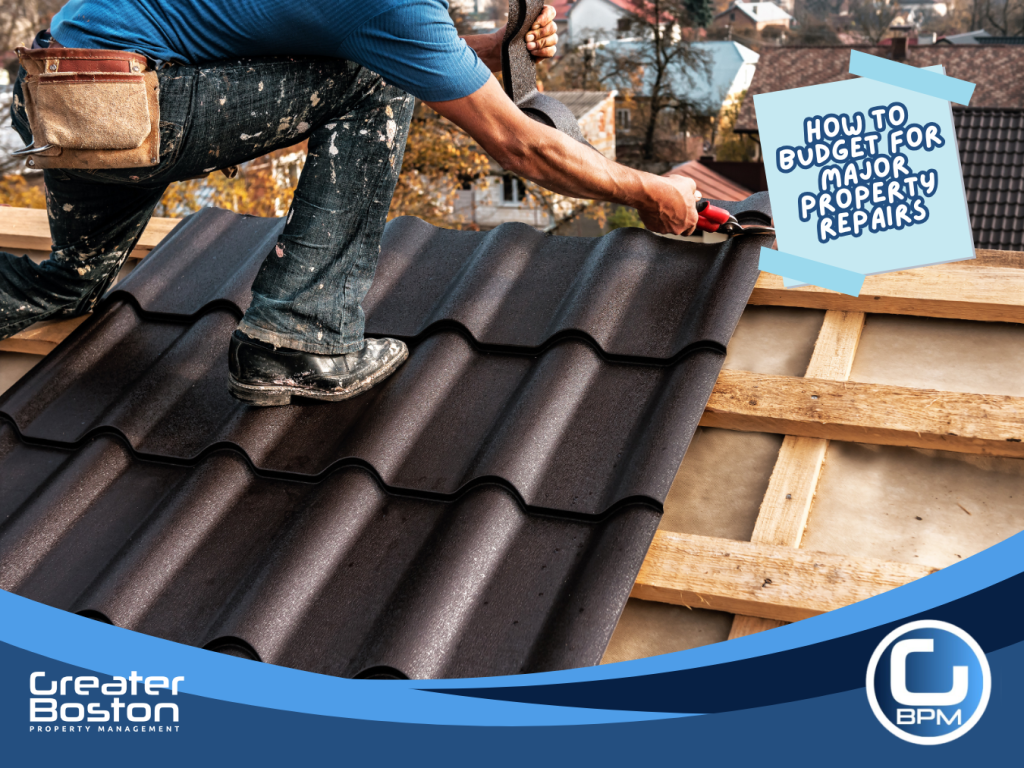
Contractor repairing roof tiles as part of major property repair budgeting for landlords and homeowners

Routine Maintenance (predictable):

  • Gutter cleaning
  • HVAC tune-ups
  • Landscaping

Major Repairs (less predictable):

  • Roof leaks
  • Foundation cracks
  • Appliance replacement

👉 Tip: Create two separate savings buckets, one for annual upkeep, another for long-term repairs.


4. Plan for Emergency Repairs
Saving money in a piggy bank for emergency property repairs as part of a landlord and homeowner budget plan"

Some repairs can’t wait, like burst pipes or furnace failure in winter.

  • Set aside 3–6 months of operating expenses (for landlords).
  • Keep at least $2,000–$5,000 cash reserve (for homeowners).
  • Have a vetted list of 24/7 emergency contractors.

🛒 Recommended Products:


5. Extend Lifespan of Systems with Preventive Care

Every dollar spent on preventive maintenance saves money down the line.

  • Change HVAC filters monthly.
  • Seal driveway cracks before winter.
  • Flush water heaters annually.
  • Repaint exterior trim every 3–5 years.

📥 Download: Preventive Maintenance Checklist (PDF)
🎥 Watch: How to Save Thousands with Preventive Home Maintenance


6. Track Repairs with a Property Maintenance Log
Landlord writing on a property maintenance log checklist to track repairs and recurring issues

Logging repairs helps landlords:

  • Spot recurring issues.
  • Provide proof for tax deductions.
  • Track warranty-covered repairs.

📥 Download: Property Maintenance Log Template (Google Docs)


7. Explore Financing & Rebates

For high-cost repairs, consider:

  • Home Equity Line of Credit (HELOC)
  • MassSave Rebates for energy upgrades (Massachusetts homeowners)
  • Insurance claims for storm/flood damage

🔗 External Resource: ENERGY STAR Rebate Finder


Final Thoughts

Budgeting for major property repairs isn’t optional, it’s part of being a responsible landlord or homeowner. By setting aside funds, separating routine maintenance from big-ticket items, and using free tools like our checklists and logs, you’ll avoid financial stress and protect your property investment.


 

🌐 Quick Links

Connect With Our Team!


What are you looking for?