
Most people think electrical panels or basements are the biggest hazard zones, but statistics show the kitchen is the #1 source of fires, burns, leaks, and household injuries.
For landlords, this means:
- Higher risk of tenant-related damage
- Expensive appliance repairs
- Increased insurance claims
- Potential safety violations
For homeowners, this means everyday exposure to risks you may not even be aware of.
This guide breaks down the hidden dangers and the simple safety habits that keep your kitchen safe year-round.
Download: Kitchen Hazard Inspection Checklist (PDF)
Related Blog: Home Safety Checks Every Landlord Should Do
1. Hidden Electrical Hazards Behind Appliances
Most electrical fire risks hide out of sight, behind large kitchen appliances.
Watch out for:
- Loose or frayed refrigerator plugs
- Overloaded power strips near microwaves
- Dust buildup on refrigerator coils
- Small appliances plugged in 24/7
- Extension cords running under cabinets
✅ What to do:
- Pull out appliances every 6 months and inspect cords
- Keep outlets and counters dry
- Plug major appliances directly into wall outlets
- Replace damaged cords immediately
Recommended Products:
- GE Heavy-Duty Appliance Surge Protector
- Smart Plug Energy Monitor (track usage & detect overheating)
Watch: Electrical Hazards in the Kitchen,What to Look For
2. Water Leaks That Turn Into Hidden Mold
Small drips can cause large structural damage if left unnoticed.
Common leak points:
- Sink traps and garbage disposals
- Dishwasher hoses
- Fridge water lines
- Caulk gaps around sinks
Signs of hidden moisture:
- Musty odors
- Soft cabinet bottoms
- Discolored flooring
- Condensation on nearby walls
Safety steps:
☐ Inspect under-sink plumbing monthly
☐ Replace dishwasher hoses every 5 years
☐ Seal all sink + counter joints with waterproof caulk
☐ Install a leak sensor under sinks and behind refrigerators
Recommended: YoLink Smart Leak Sensor
Download: Tenant Water Damage Reporting Sheet (PDF)
Related: How to Unclog Your Sink
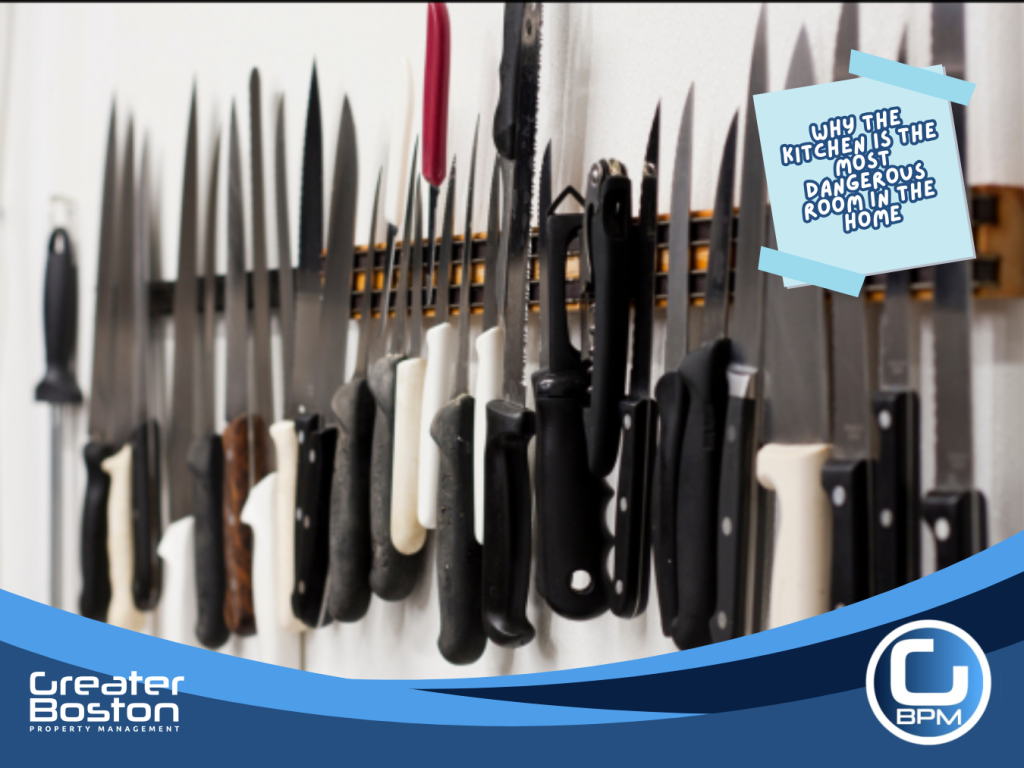
3. Sharp Objects Stored Unsafely
Knives and tools are essential, but they are also one of the most common causes of household injuries.
Risks:
- Knives dumped in drawers
- Loose blade covers
- Dull knives causing slips
- Tenants using unsafe cutting boards
Safe practices:
☐ Use magnetic strips or knife blocks
☐ Replace dull knives
☐ Separate sharp tools from general utensils
☐ Provide tenants with proper cutting board guidance
Recommended: Magnetic Knife Strip Wall Mount
4. Cooking Fires From Everyday Habits
Most kitchen fires happen not because of equipment, but simple human error.
Common causes:
- Leaving the stove unattended
- Grease buildup on stovetops
- Flammable items near burners
- Overheated oil
- Dirty oven vents
Prevention:
☐ Keep a Class K fire extinguisher in the kitchen
☐ Clean grease traps weekly
☐ Never leave cooking food unsupervised
☐ Keep towels/paper towels away from stovetops
Watch: How to Stop a Grease Fire Fast
Download: Kitchen Fire Prevention Guide (PDF)
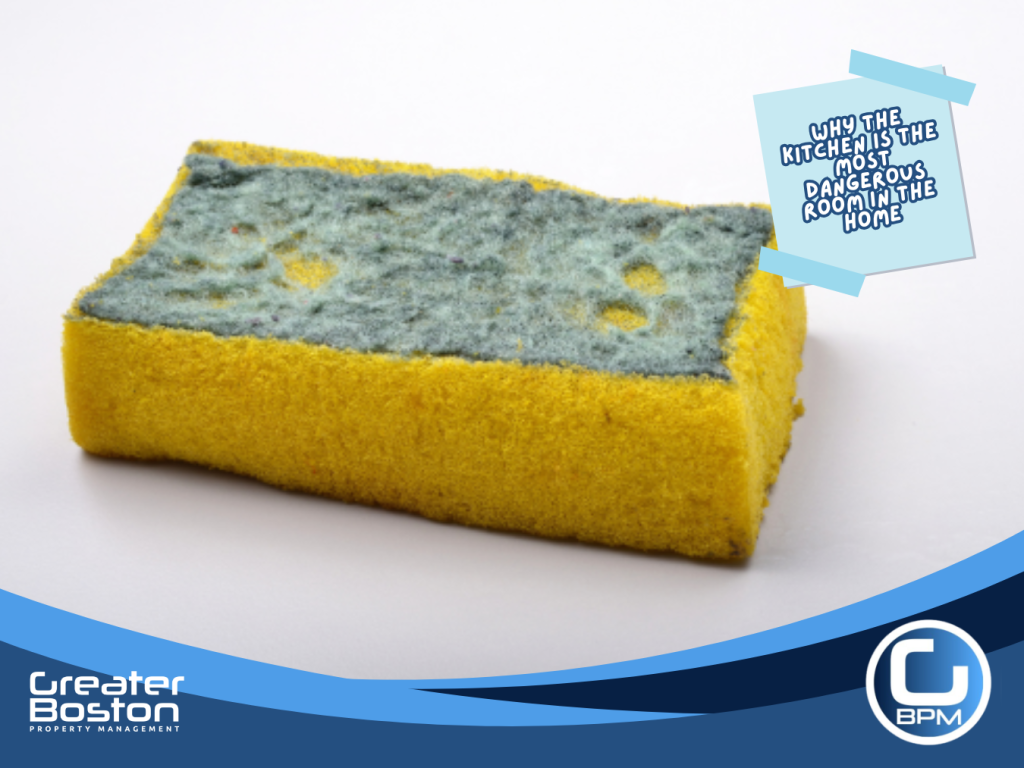
5. Hidden Bacteria Hotspots You Probably Overlook
Some of the most bacteria-heavy areas are not what you expect.
High-risk surfaces:
- Sponge and dish scrubbers
- Fridge handles
- Sink drain flange
- Cutting boards
- Faucet handles
Easy prevention:
☐ Replace sponges every 7–10 days
☐ Wash cutting boards with hot, soapy water after each use
☐ Sanitize sink drain weekly
☐ Clean high-touch surfaces daily
Recommended: OXO Antibacterial Cutting Board Set
Landlord & Homeowner Quick Tips
✔ Add kitchen safety checks to your seasonal maintenance plan
✔ Provide tenants with printed kitchen safety rules
✔ Install leak sensors, smoke detectors & smart plugs
✔ Keep appliance manuals and serial numbers in your Property Maintenance Log
Download: Property Maintenance Log Template (Excel)
Related Blog: Fall Property Inspection Checklist for Landlords
What’s Next in This 3-Part Series?
Part 2 “Appliance Hazards You’re Probably Ignoring | Kitchen Safety Tips”
Learn the major risks hiding inside your dishwasher, fridge, oven & microwave, and how to prevent appliance-related property damage.
Part 3 “Food Safety Habits That Prevent Kitchen Disasters | Home Safety Tips”
Discover 10 essential food-handling habits that reduce contamination, fires, and costly cleanup.
Legal Disclaimer
This content is for informational purposes only. Always follow local building codes, fire safety regulations, and manufacturer instructions for appliances and electrical equipment.