Prevent Frozen Pipes This Winter | Essential Tips for Landlords & Homeowners
Prevent Frozen Pipes This Winter | Essential Tips for Landlords & Homeowners
Why Frozen Pipes Are a Serious Winter Risk
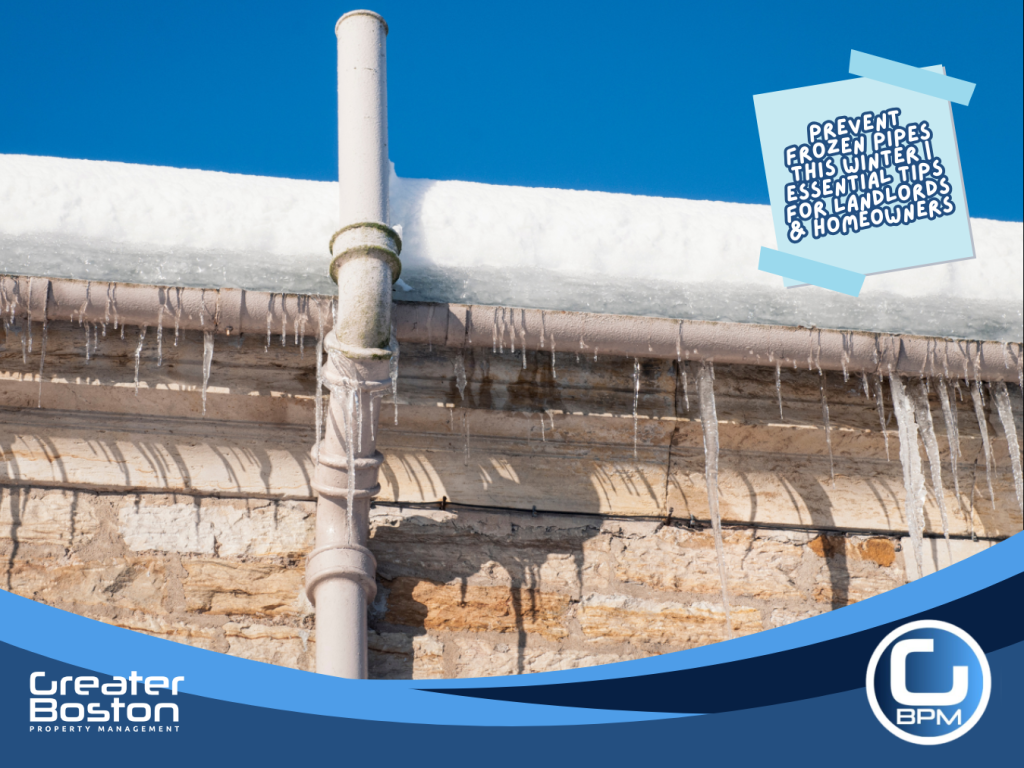
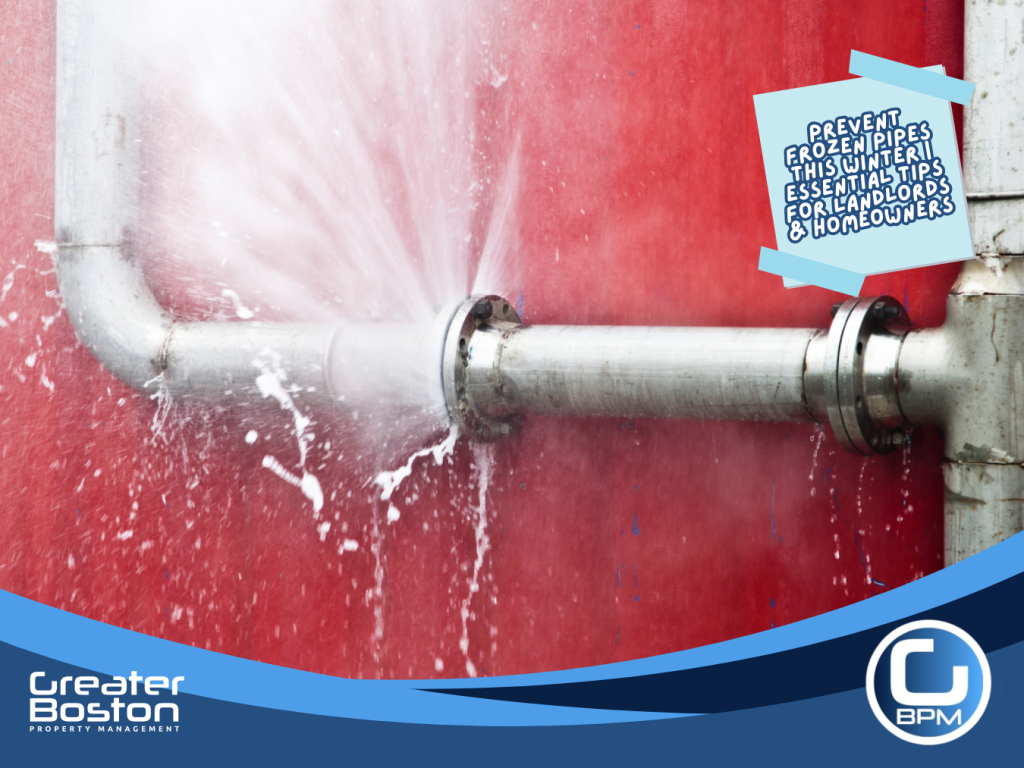
When temperatures drop below freezing, water inside pipes can freeze and expand. This pressure often causes pipes to crack or burst, sometimes inside walls, ceilings, or floors, where damage isn’t immediately visible.
For landlords and homeowners, frozen pipes can lead to:
Sudden flooding once pipes thaw
Costly emergency plumbing repairs
Mold and structural damage
Tenant displacement
Insurance claims and liability
The good news? Most frozen pipe incidents are preventable.
☐ Pipes in exterior walls ☐ Unheated basements or crawl spaces ☐ Attics and garages ☐ Under kitchen and bathroom sinks ☐ Pipes near drafty windows or doors ☐ Outdoor spigots and hose bibs
Tip: Pipes that froze once are more likely to freeze again.
2. How to Prevent Frozen Pipes (Proactive Steps)
✔ Insulate & Seal
☐ Insulate exposed pipes with foam sleeves ☐ Seal gaps where pipes enter walls or floors ☐ Add insulation to basements, crawl spaces, and attics ☐ Install heat tape on high-risk pipes
☐ Disconnect and drain outdoor hoses ☐ Shut off and winterize exterior spigots ☐ Drain sprinkler systems ☐ Repair broken windows or drafts near plumbing ☐ Ensure garage doors close fully
3. Daily Winter Habits That Prevent Frozen Pipes
Small habits make a big difference during extreme cold.
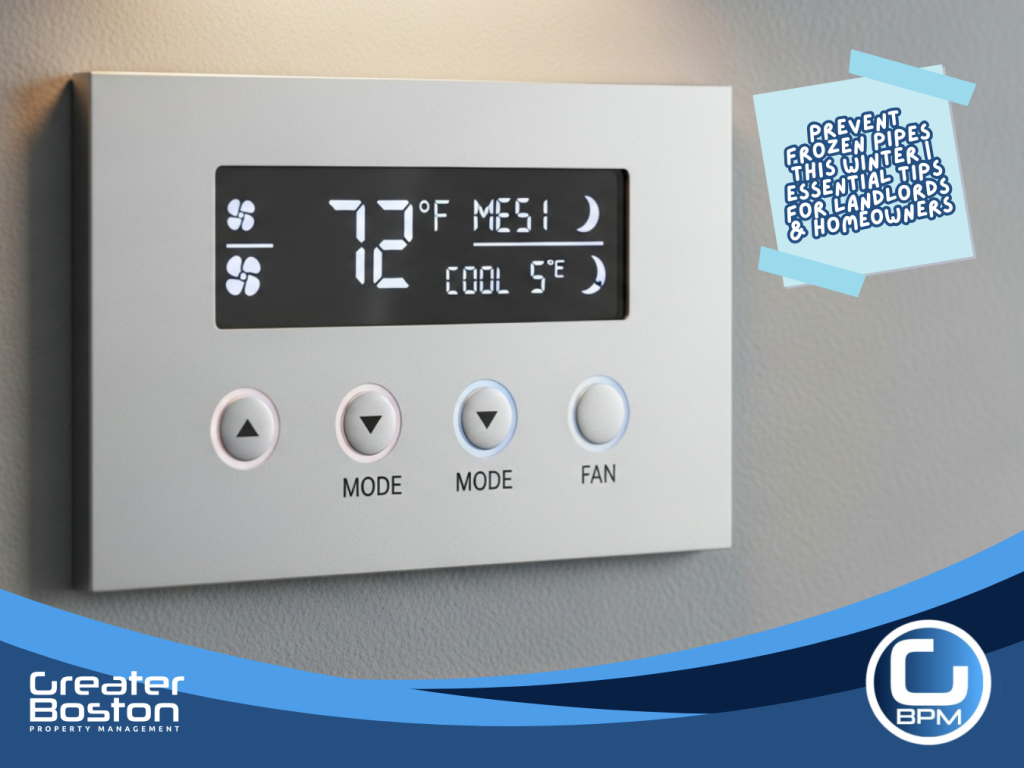
☐ Keep heat set to 55°F or higher at all times ☐ Open cabinet doors under sinks during cold snaps ☐ Allow faucets to drip slightly overnight (if recommended) ☐ Keep interior doors open to allow warm air circulation ☐ Never shut off heat in vacant units
☐ Heating systems are operational and serviced ☐ Pipe insulation is installed where needed ☐ Shut-off valves are clearly labeled and accessible ☐ Tenants receive written winter safety instructions ☐ Emergency contact information is posted ☐ Vacant units are monitored during cold spells
☐ Keep heat on at all times ☐ Report drafts, cold spots, or low heat immediately ☐ Notify management of slow water flow or unusual pipe noises ☐ Never use space heaters near plumbing ☐ Report frozen or burst pipes immediately
1️⃣ Turn on the affected faucet slightly 2️⃣ Apply heat slowly using a hair dryer or warm towels 3️⃣ Start heating closest to the faucet and move inward 4️⃣ Never use open flames 5️⃣ Keep faucet open until full water flow returns
8. What to Do If a Pipe Bursts (Emergency Response)
If a pipe bursts, act immediately:
1️⃣ Shut off the main water supply 2️⃣ Turn off electricity if water is near outlets 3️⃣ Open faucets to relieve pressure 4️⃣ Contact a licensed plumber 5️⃣ Document damage with photos 6️⃣ Notify property management and insurance