
Why Spring HVAC Maintenance Is Critical
Your HVAC system is about to switch from heating mode to cooling mode, and that transition is where most problems show up.
After months of winter use, systems often have:
- Dirty filters
- Restricted airflow
- Worn components
- Hidden inefficiencies
If ignored, this leads to:
- Higher energy bills
- Weak cooling performance
- Mid-summer breakdowns
- Emergency repair costs
- Tenant complaints
Spring is the best time to service, test, and optimize your system before peak demand hits.
Download: HVAC Spring Maintenance Checklist (PDF)
Related Blog: Spring Property Maintenance Checklist for Landlords & Homeowners
1. Transition Your System From Heat → Cool
Don’t just flip the switch, test the system properly.
✔ Run a Cooling Test:
☐ Switch thermostat to cooling mode
☐ Let system run for 10–15 minutes
☐ Check airflow strength
☐ Ensure air is cooling properly
☐ Listen for unusual noises
Warning Signs:
- Warm air blowing
- Weak airflow
- Loud or rattling sounds
These indicate issues that should be fixed before summer.
2. Replace Air Filters (Highest Impact Task)
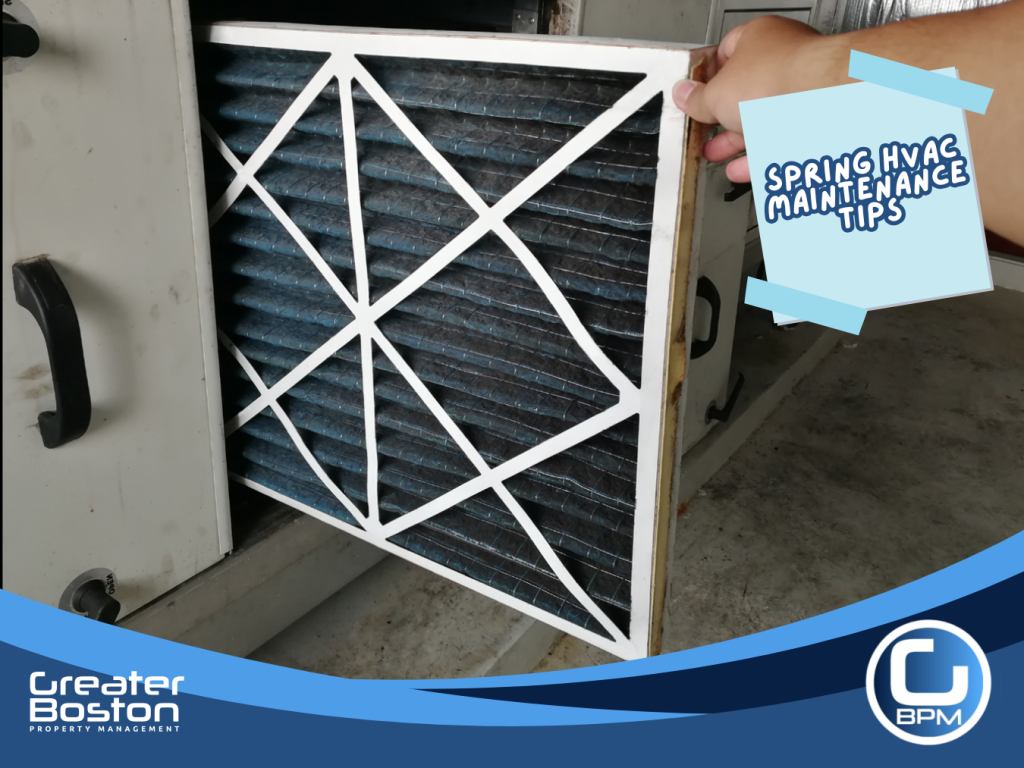
This is the easiest and most overlooked step.
✔ Check:
☐ Replace filters every 30–60 days
☐ Use correct size and rating (MERV 8–11 ideal)
☐ Inspect vents for dust buildup
Impact:
Dirty filters can reduce efficiency by 15–25%.
Recommended:
- High-Efficiency Pleated Air Filters
- Filter Subscription Service (for landlords managing multiple units)
3. Clean the Outdoor Condenser Unit
Your outdoor unit does the heavy lifting, and gets the dirtiest.
✔ Inspect & Clean:
☐ Remove leaves and debris
☐ Trim vegetation within 2–3 feet
☐ Clean condenser coils
☐ Check unit is level
☐ Inspect fins for bending
Recommended:
Dirty condensers reduce cooling performance significantly.
4. Optimize Thermostat Performance
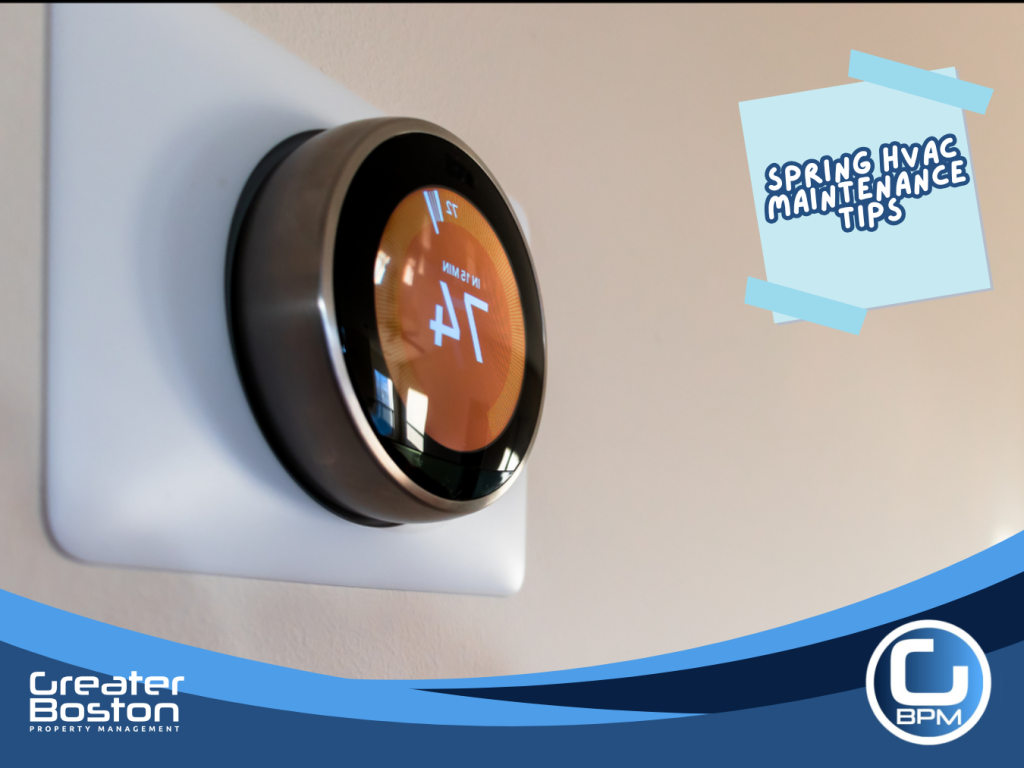
Your thermostat controls your system efficiency.
✔ Check:
☐ Replace batteries
☐ Test temperature accuracy
☐ Program cooling schedule
☐ Adjust for seasonal use
Upgrade Option:
Smart thermostats can reduce energy use by 10–20%.
Recommended:
Related: Energy Efficiency Upgrades for Rentals
5. Inspect Electrical & System Components
Minor electrical issues can cause major failures later.
✔ Check:
☐ Breakers and disconnect box
☐ Wiring connections (visual only)
☐ Capacitor and contactor (professional check)
☐ Signs of overheating or corrosion
Always hire a professional for internal electrical repairs.
6. Clear the Condensate Drain Line
Clogged drain lines can cause water damage.
✔ Inspect:
☐ Drain line free of clogs
☐ No standing water near system
☐ Drip pan intact
☐ Water flowing properly
Recommended:
Related: Spring Plumbing Inspection Checklist (PDF)
7. Inspect Ductwork for Efficiency Loss
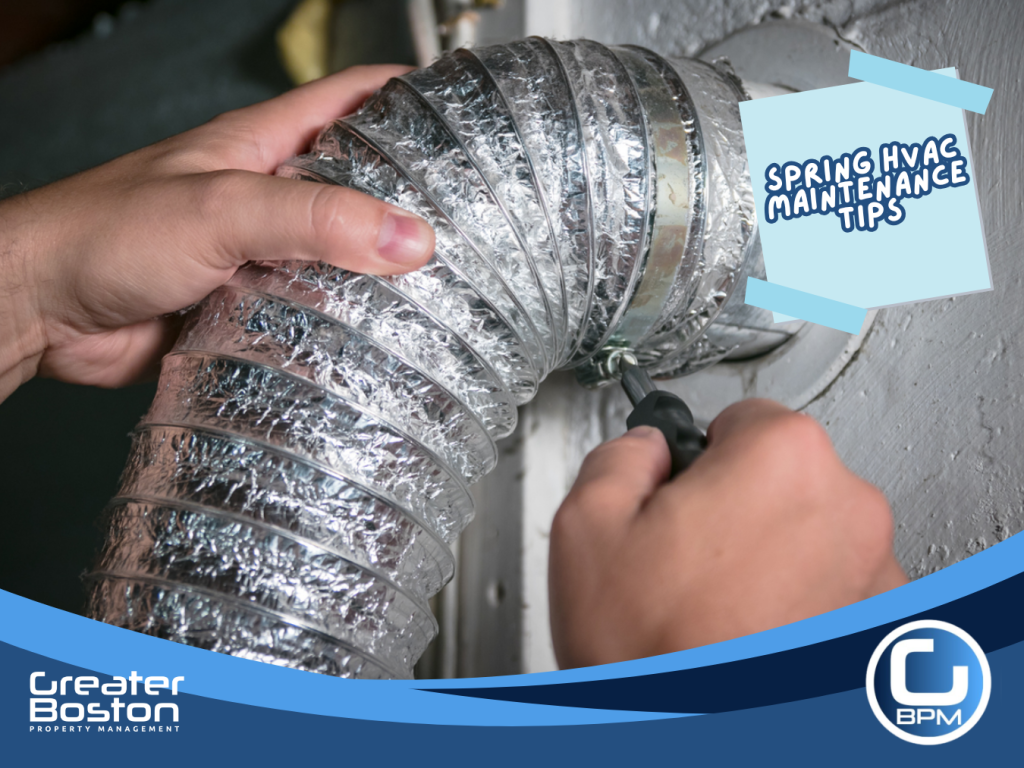
Air leaks = energy waste.
✔ Check:
☐ Visible duct leaks
☐ Loose connections
☐ Dust around joints
☐ Insulation on exposed ducts
Recommended:
8. Schedule a Professional HVAC Tune-Up
Even if everything looks fine, get a professional check.
✔ Technician Should:
☐ Check refrigerant levels
☐ Inspect blower motor
☐ Clean internal coils
☐ Test system efficiency
☐ Identify wear and tear
Annual servicing can extend system life by years.
9. Landlord HVAC Management Strategy
For rental properties:
✔ Landlords Should:
☐ Set filter replacement schedules
☐ Provide tenant HVAC instructions
☐ Respond quickly to performance issues
☐ Document maintenance history
☐ Schedule seasonal servicing
Related Resource: Property Maintenance Log Template (Excel)
Spring HVAC Maintenance Summary
✔ Transition system to cooling mode
✔ Replace air filters
✔ Clean condenser unit
✔ Optimize thermostat
✔ Inspect electrical components
✔ Clear drain lines
✔ Check ductwork
✔ Schedule professional service
Pro Tip: HVAC Is a System, Not a Machine
Efficiency depends on:
- Airflow
- Clean components
- Proper calibration
- Sealed ducts
- Smart controls
Ignoring one part affects the entire system.
Legal Disclaimer
This guide is for informational purposes only. Always follow manufacturer guidelines and consult licensed HVAC professionals for servicing and repairs.
Next in the Series (Part 4):
“Spring Plumbing Inspection | Prevent Leaks & Water Damage”