
Why Spring Pest Prevention Matters More Than Treatment
By the time you see pests, the problem is already established.
Spring is when pests:
•Wake up from winter dormancy
•Begin nesting and reproducing
•Search for food, water, and shelter
If you act early, you stop infestations before they start, saving thousands in repairs and tenant complaints.
For landlords, pest issues can quickly escalate into:
•Property damage
•Health concerns
•Lease disputes
•Negative tenant experiences
Download: Spring Pest Prevention Checklist (PDF)
Related Blog: Spring Landscaping Tips for Rental Properties
1. Start With an Exterior Defense Sweep
Pest prevention begins outside, this is your first barrier.
✔ Inspect:
☐ Foundation cracks
☐ Gaps around doors and windows
☐ Utility entry points
☐ Roofline and soffits
☐ Open vents or damaged screens
Seal Immediately:
•Exterior caulk
•Expanding spray foam
•Door sweeps
•Screen repair kits
Even a ¼-inch gap is enough for rodents.
2. Eliminate Moisture (Biggest Pest Attractor)

Moisture attracts more pests than food.
✔ Check:
☐ Leaking pipes
☐ Damp basements or crawl spaces
☐ Standing water near foundation
☐ Clogged gutters
☐ Poor yard drainage
Recommended:
•Dehumidifier
•Gutter cleaning tools
•Downspout extenders
Related: Spring Plumbing Inspection Checklist (PDF)
3. Control Landscaping Around the Property
Your yard can either invite or prevent pests.
✔ Maintain:
☐ Trim bushes away from foundation (at least 12–18 inches)
☐ Remove dead plants and debris
☐ Keep mulch away from siding
☐ Avoid dense vegetation near entry points
High-Risk Areas:
•Wood piles
•Overgrown shrubs
•Poorly drained soil
Related Blog: Spring Landscaping Tips for Rental Properties
4. Identify Early Pest Warning Signs
Catching activity early prevents full infestations.
✔ Watch for:
☐ Ant trails
☐ Rodent droppings
☐ Gnaw marks on wood or wiring
☐ Small holes in walls or floors
☐ Buzzing near wooden structures (carpenter bees)
5. Maintain Interior Cleanliness & Storage

Pests stay where food is accessible.
✔ Enforce:
☐ Food stored in sealed containers
☐ Regular trash removal
☐ Clean kitchen surfaces
☐ No standing water in sinks
☐ Clean under appliances
Especially important for multi-unit rentals.
6. Seal Interior Entry Points
Pests often enter through hidden interior gaps.
✔ Seal:
☐ Under sinks (pipe penetrations)
☐ Baseboard gaps
☐ Behind appliances
☐ Utility closets
☐ Garage connections
Recommended:
•Steel wool (rodent barrier)
•Foam sealant
•Weatherstripping kits
7. Target High-Risk Seasonal Pests
Common Spring Threats:
Ants
→ Attracted to food and moisture
Termites
→ Cause structural wood damage
Rodents
→ Nest indoors and chew wiring
Mosquitoes
→ Breed in standing water
Carpenter Bees
→ Damage wood surfaces
Prevention is always cheaper than treatment.
8. Landlord Pest Prevention Strategy
Smart landlords treat pest control as a preventive system.
✔ Best Practices:
☐ Schedule seasonal inspections
☐ Seal all exterior vulnerabilities
☐ Maintain landscaping and drainage
☐ Educate tenants on prevention
☐ Respond quickly to reports
Related Resource: Property Maintenance Log Template (Excel)
9. Tenant Responsibilities
Clear communication reduces recurring issues.
✔ Tenants Should:
☐ Report pest sightings immediately
☐ Maintain cleanliness
☐ Store food properly
☐ Take out trash regularly
☐ Report leaks or moisture issues
Related Download: Tenant Pest Prevention Guide (PDF)
10. When to Call Pest Control Professionals
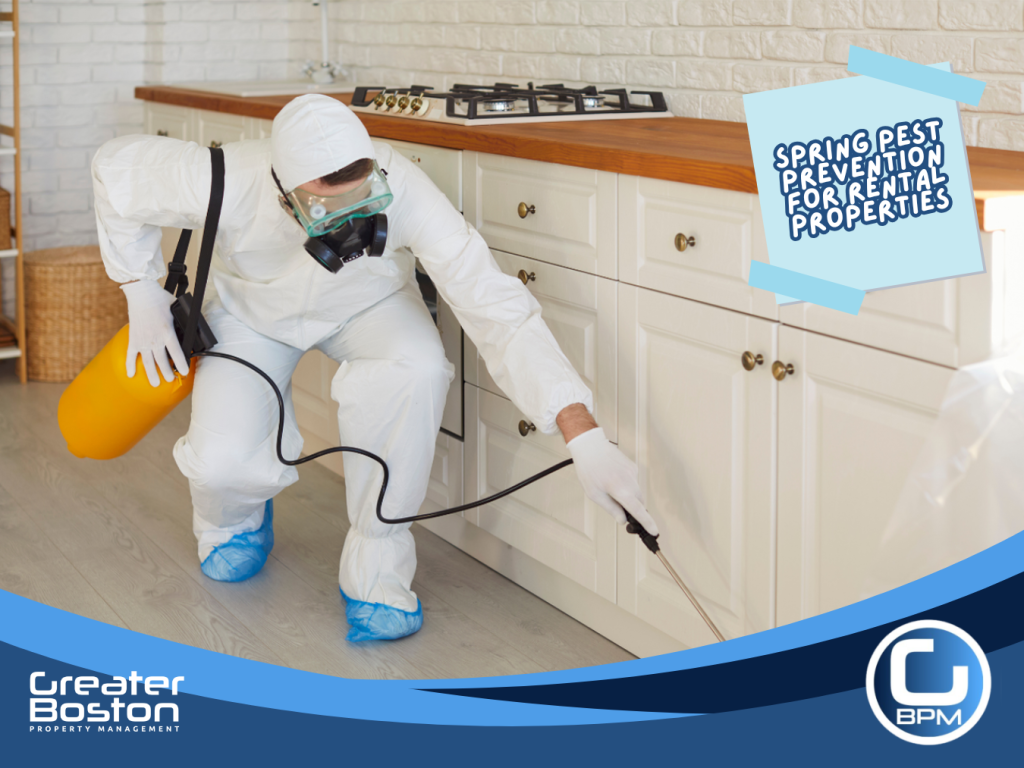
Call a licensed professional if you see:
•Repeated pest activity
•Structural damage (wood or insulation)
•Rodent infestation
•Termite evidence
•Large-scale insect activity
Spring Pest Prevention Summary
✔ Inspect exterior and seal entry points
✔ Eliminate moisture sources
✔ Maintain landscaping
✔ Monitor early pest activity
✔ Keep property clean
✔ Educate tenants
✔ Act quickly when problems appear
Pro Tip: Prevention = Lower Long-Term Costs
Reactive pest control is expensive.
Preventive pest control is predictable and affordable.
Spring is your best opportunity to break the infestation cycle early.
Legal Disclaimer
This guide is for informational purposes only. Always follow local regulations and consult licensed pest control professionals when necessary.
Next in the Series (Part 7):
“Spring Safety Checks Every Landlord Should Do | Seasonal Property Guide”