
Why Landscaping Is More Than Just Curb Appeal
Most landlords treat landscaping as cosmetic, but it’s actually a functional system that affects:
- Drainage and water control
- Foundation protection
- Pest prevention
- Tenant satisfaction
- Property value
After winter, your landscaping is often compacted, damaged, and poorly draining, which can lead to bigger issues if ignored.
Spring is the best time to reset your entire outdoor system.
Download: Seasonal Lawn Care Checklist (PDF)
Related Blog: Spring Property Maintenance Checklist for Landlords & Homeowners
1. Start With a Full Property Cleanup
Before improving anything, clear out winter damage.
✔ Remove:
☐ Fallen branches and debris
☐ Dead plants and leaves
☐ Trash or buildup around property edges
☐ Clogged drainage areas
Why It Matters:
Debris traps moisture and creates ideal conditions for pests and mold.
Recommended:
2. Restore Lawn Health After Winter Stress
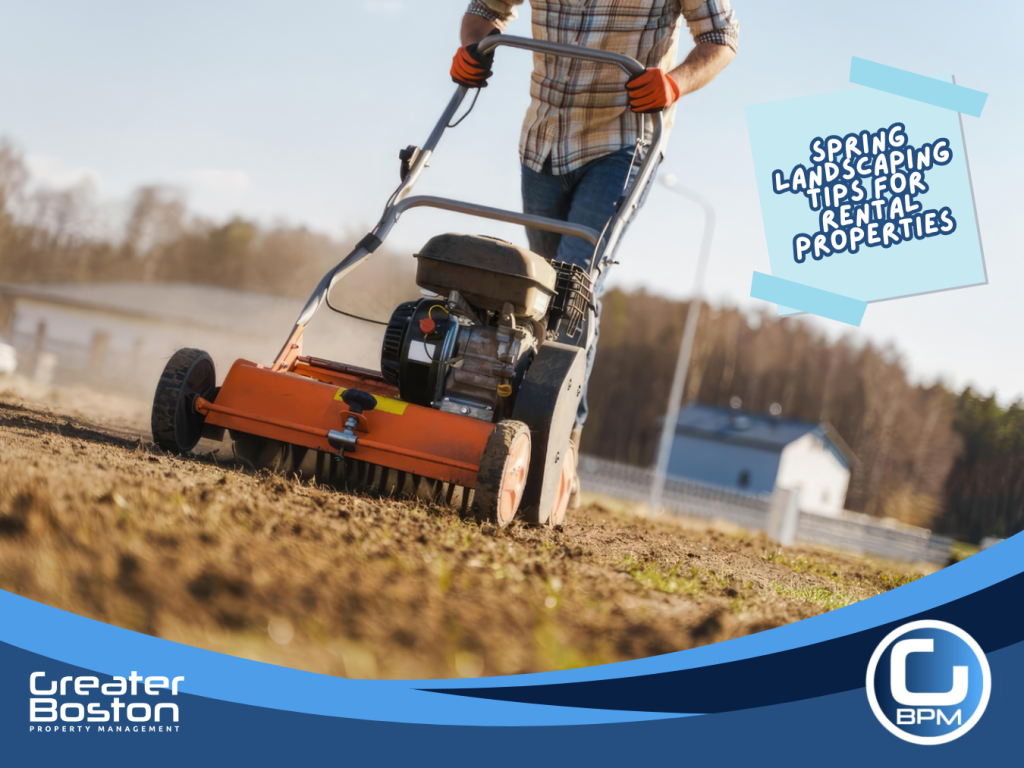
Cold weather leaves lawns weak and compacted.
✔ Lawn Recovery Steps:
☐ Rake dead grass and thatch
☐ Aerate compacted soil
☐ Overseed patchy areas
☐ Apply fertilizer for regrowth
Pro Tip:
Healthy lawns improve drainage and reduce mud and erosion.
Recommended:
3. Trim Trees & Shrubs (Prevent Damage + Liability)
Overgrown vegetation can damage property and create safety hazards.
✔ Trim:
☐ Branches touching roof or siding
☐ Overhanging limbs above walkways
☐ Dead or weak tree limbs
☐ Bushes blocking windows or lighting
Risk Reduction:
Prevents:
- Roof damage
- Pest access
- Storm hazards
Recommended:
- Pruning Shears
- Pole Saw for High Branches
4. Fix Drainage & Water Flow Issues
Landscaping directly impacts water movement around your property.
✔ Inspect:
☐ Water pooling near foundation
☐ Soil sloping toward home
☐ Blocked drainage paths
☐ Erosion areas
✔ Solutions:
☐ Regrade soil away from foundation
☐ Add downspout extensions
☐ Install gravel drainage paths
☐ Improve yard slope
Critical:
Poor drainage leads to:
- Basement flooding
- Foundation cracks
- Mold growth
Recommended:
5. Refresh Garden Beds & Mulch
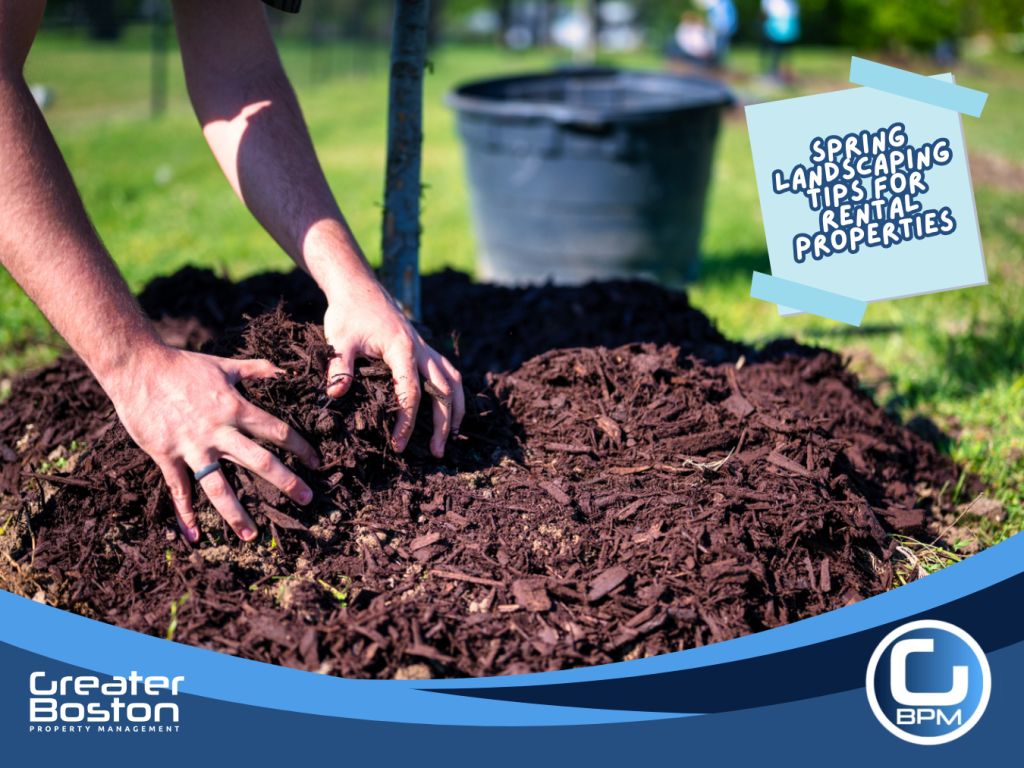
Mulch isn’t just decorative, it’s functional.
✔ Apply:
☐ Fresh mulch (2–3 inches deep)
☐ Weed barrier fabric
☐ New seasonal plants
Benefits:
- Retains soil moisture
- Prevents weeds
- Improves soil quality
- Enhances curb appeal
Avoid:
Mulch touching foundation (can attract pests).
6. Reduce Pest Habitats Outdoors
Landscaping plays a major role in pest control.
✔ Prevent:
☐ Standing water (mosquito breeding)
☐ Dense vegetation near foundation
☐ Wood piles close to home
☐ Unsealed outdoor gaps
Recommended:
Download: Spring Pest Prevention Guide for Landlords
7. Improve Walkways & Outdoor Safety
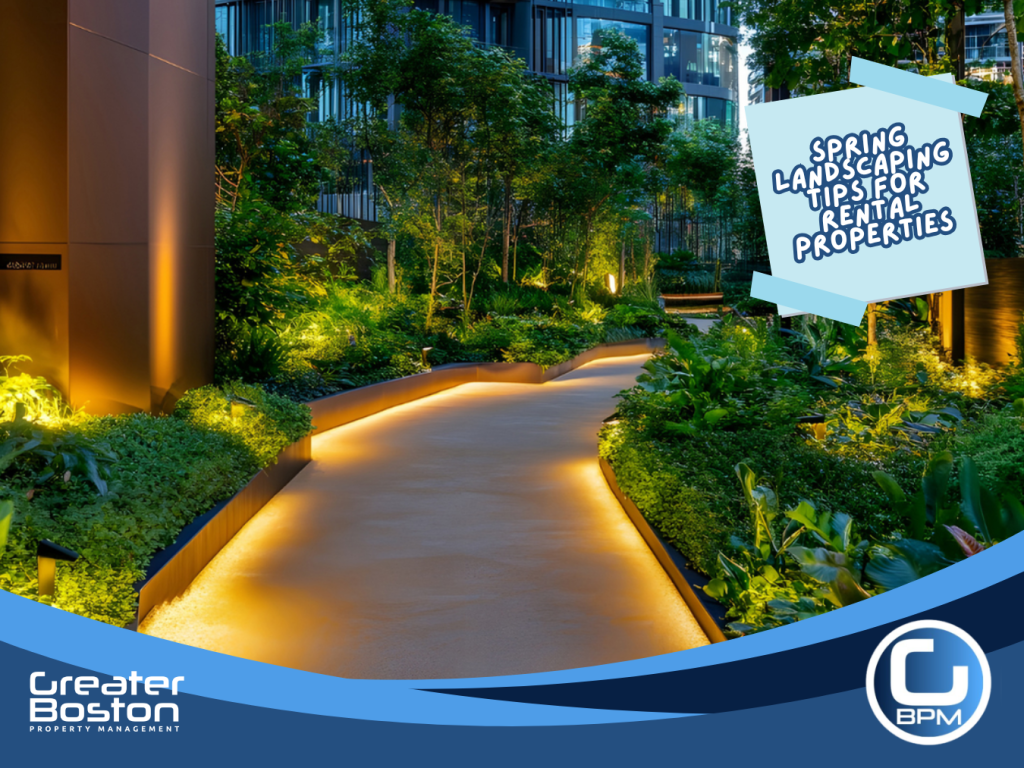
Landscaping includes high-liability areas.
✔ Inspect:
☐ Uneven walkways
☐ Loose stones or pavers
☐ Slippery surfaces
☐ Poor lighting around paths
✔ Fix:
☐ Level surfaces
☐ Add pathway lighting
☐ Install non-slip materials
Recommended:
8. Landlord Landscaping Strategy
Smart landlords focus on low-maintenance, high-impact upgrades.
✔ Best Practices:
☐ Use drought-resistant plants
☐ Choose low-maintenance landscaping
☐ Schedule seasonal upkeep
☐ Document improvements
☐ Maintain consistent appearance across properties
Related Resource: Property Maintenance Log Template (Excel)
Spring Landscaping Summary
✔ Clean up winter debris
✔ Restore lawn health
✔ Trim trees and shrubs
✔ Improve drainage systems
✔ Refresh mulch and garden beds
✔ Reduce pest habitats
✔ Repair walkways and safety hazards
Pro Tip: Landscaping Is a Long-Term Investment
Good landscaping doesn’t just look better — it:
- Reduces maintenance costs
- Prevents structural damage
- Improves tenant retention
- Increases rental value
Legal Disclaimer
This guide is for informational purposes only. Always follow local regulations and consult professionals for large landscaping or structural drainage work.
Next in the Series (Part 6):
“Spring Pest Prevention for Rental Properties | Stop Infestations Early”