
Why Spring Plumbing Inspections Matter
Winter doesn’t just freeze pipes, it stresses your entire plumbing system.
Even if nothing burst, cold temperatures can cause:
- Hairline pipe cracks
- Loose fittings
- Seal deterioration
- Hidden leaks
- Drainage issues
These problems often show up in spring, especially during heavy rain and increased water usage.
For landlords, plumbing issues are one of the top causes of emergency maintenance calls.
Download: Spring Plumbing Inspection Checklist (PDF)
Related Blog: Prevent Frozen Pipes This Winter | Essential Tips for Landlords & Homeowners
1. Run a Full-System Water Test (Not Just Visual Checks)
Don’t just look, test your plumbing system in real time.
✔ Test Method:
☐ Turn on multiple faucets simultaneously
☐ Run showers and sinks together
☐ Flush toilets during test
☐ Monitor pressure consistency
Warning Signs:
- Sudden pressure drops
- Strange pipe noises
- Slow flow in certain fixtures
These indicate hidden issues behind walls.
2. Check Fixtures for Wear & Hidden Leaks
Fixtures are the most commonly used, and most likely to fail.
✔ Inspect:
☐ Kitchen and bathroom faucets
☐ Showerheads and valves
☐ Under-sink plumbing connections
☐ Appliance water lines
Look for:
- Dripping water
- Mineral buildup
- Loose handles
- Moisture under cabinets
Recommended:
- Leak Detection Sensors (smart alerts)
- Replacement Faucet Aerators
3. Test Toilets for Silent Water Loss
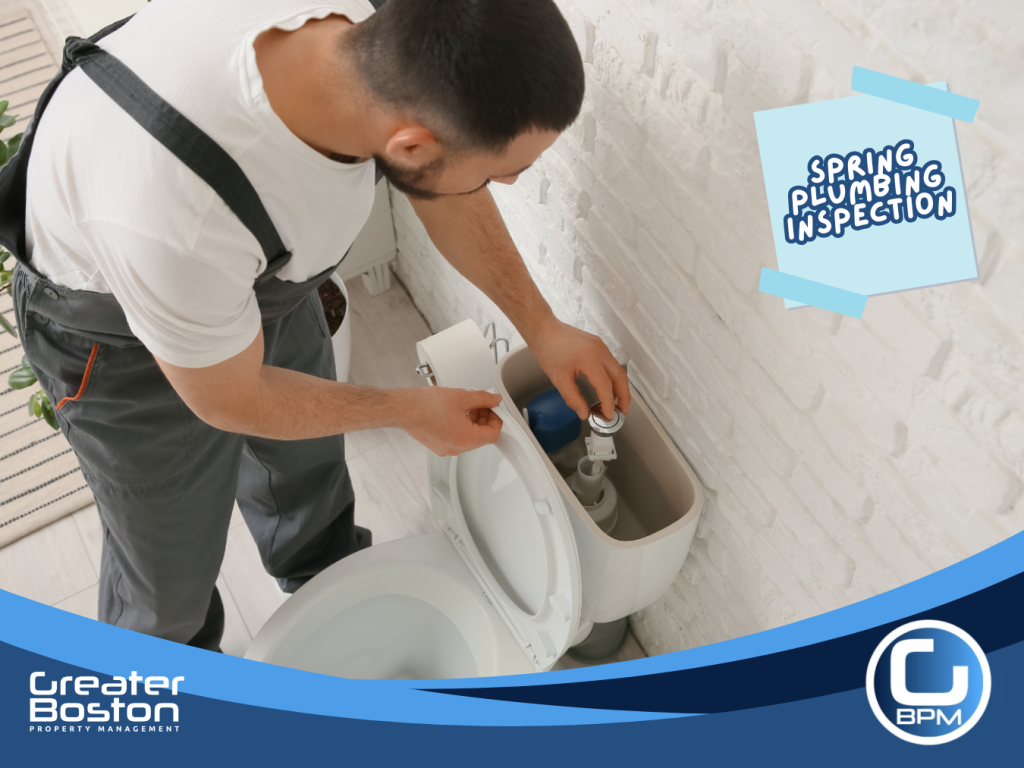
Toilets are one of the biggest hidden water wasters.
✔ Check:
☐ Flush performance
☐ Tank refill function
☐ Continuous running water
☐ Base leaks around toilet
Quick Test:
Add food coloring to tank, if color appears in bowl without flushing, you have a leak.
4. Inspect Pipes for Freeze-Related Damage
Winter damage may not be obvious at first.
✔ Inspect:
☐ Exposed pipes in basements and crawl spaces
☐ Pipe joints and fittings
☐ Areas near exterior walls
☐ Previously frozen pipes
Look for:
- Bulging sections
- Hairline cracks
- Corrosion or discoloration
Related: Frozen Pipe Prevention & Emergency Response Guide (PDF)
5. Check Outdoor Plumbing & Hose Bibs
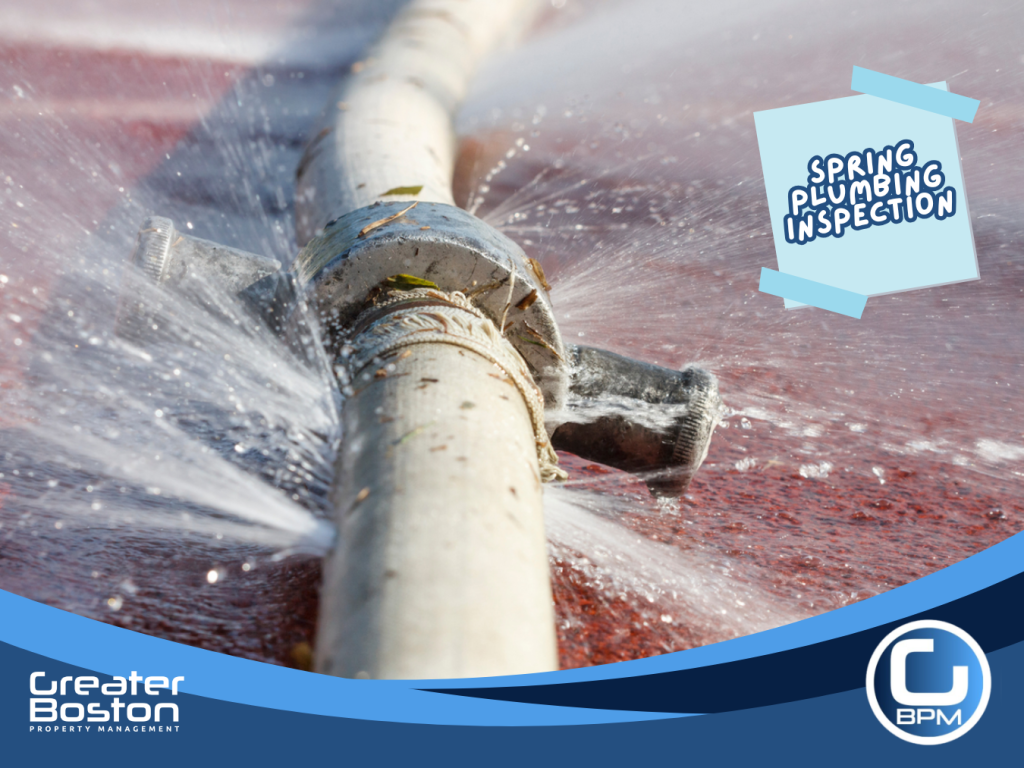
Outdoor fixtures are highly vulnerable to winter damage.
✔ Test:
☐ Turn on outdoor faucets
☐ Check for leaks or weak flow
☐ Inspect hose connections
☐ Ensure proper shutoff function
Common Issue:
Water spraying from pipe = freeze crack inside wall.
6. Inspect Drainage & Sewer Performance
Drainage issues often appear in spring due to increased water flow.
✔ Check:
☐ Sink, tub, and shower drainage speed
☐ Gurgling sounds in pipes
☐ Sewer odors
☐ Basement floor drains
Recommended:
- Enzyme Drain Cleaner (safe maintenance)
- Sink Strainers
Related Blog: How to Unclog Your Sink
7. Test Sump Pump & Flood Protection Systems
Spring rain makes this one of the most critical checks.
✔ Test:
☐ Pour water into sump pit
☐ Ensure pump activates
☐ Check discharge line
☐ Verify water drains away from property
☐ Inspect backup battery system
Critical for:
- Basement flood prevention
- Property damage protection
8. Water Heater Inspection (Often Overlooked)
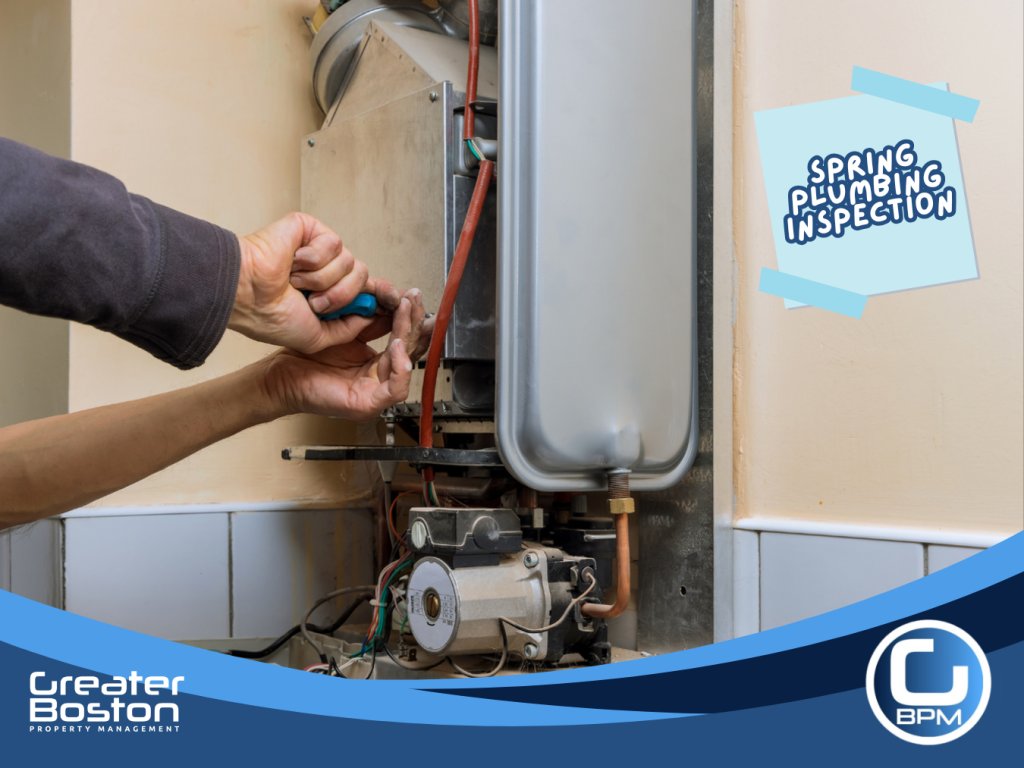
Your water heater works year-round, and may have winter wear.
✔ Inspect:
☐ Leaks around tank
☐ Rust or corrosion
☐ Pressure relief valve
☐ Temperature setting (~120°F)
Recommended:
9. Landlord Plumbing Strategy
Smart landlords treat plumbing as a risk management system.
✔ Best Practices:
☐ Schedule seasonal inspections
☐ Install leak detection devices
☐ Educate tenants on proper use
☐ Respond quickly to small issues
☐ Maintain inspection records
Related Resource: Property Maintenance Log Template (Excel)
Spring Plumbing Inspection Summary
- ✔ Run full-system water test
- ✔ Inspect fixtures and leaks
- ✔ Check toilets for silent leaks
- ✔ Identify freeze damage
- ✔ Test outdoor plumbing
- ✔ Inspect drainage systems
- ✔ Test sump pump
- ✔ Check water heater
Pro Tip: Water Damage Is the Most Expensive Risk
Most property damage isn’t caused by disasters, it’s caused by slow, unnoticed leaks over time.
Spring inspections help you catch issues before they become:
- Mold problems
- Structural damage
- Insurance claims
Legal Disclaimer
This guide is for informational purposes only. Always follow local plumbing codes and consult licensed professionals for repairs.
Next in the Series (Part 5):
“Spring Landscaping Tips for Rental Properties | Boost Curb Appeal Fast”