
Why Roof Inspections Matter More After Winter
Winter is the most destructive season for roofs.
Snow load, ice dams, freezing temperatures, and wind can cause hidden structural damage that often goes unnoticed until leaks appear.
For landlords and homeowners, ignoring roof issues can lead to:
- Interior water damage
- Mold growth
- Insulation damage
- Tenant complaints
- Expensive emergency repairs
Spring is your opportunity to catch problems early before heavy rain makes them worse.
Download: Roof & Gutter Spring Inspection Checklist (PDF)
Related Blog: Spring Property Maintenance Checklist for Landlords & Homeowners
1. Start With a Ground-Level Visual Scan

Before climbing anything, assess safely from the ground.
✔ Look for:
☐ Missing or curled shingles
☐ Dark streaks or patchy areas
☐ Uneven roof lines or sagging
☐ Debris accumulation
☐ Damaged roof edges
Recommended Tools:
- Binoculars (safe inspection)
- Drone camera (advanced inspection)
Never walk on a roof unless properly equipped.
2. Identify Ice Dam Damage (Most Common Issue)
Ice dams can cause damage that isn’t always visible right away.
✔ Signs of Ice Dam Damage:
☐ Water stains near roof edges
☐ Peeling paint or bubbling ceilings
☐ Warped shingles near gutters
☐ Mold or mildew smells in attic
☐ Drip marks along exterior walls
Related: Ice Dam Inspection & Prevention Guide (PDF)
3. Check Flashing & Leak-Prone Areas
Most roof leaks don’t come from shingles, they come from flashing failure.
✔ Inspect:
☐ Chimney flashing
☐ Vent pipe seals
☐ Skylight edges
☐ Roof valleys
☐ Wall-to-roof intersections
Red Flags:
- Cracked sealant
- Rusted metal flashing
- Visible gaps
These areas are high-priority repair zones.
4. Inspect Gutters as Part of the Roof System
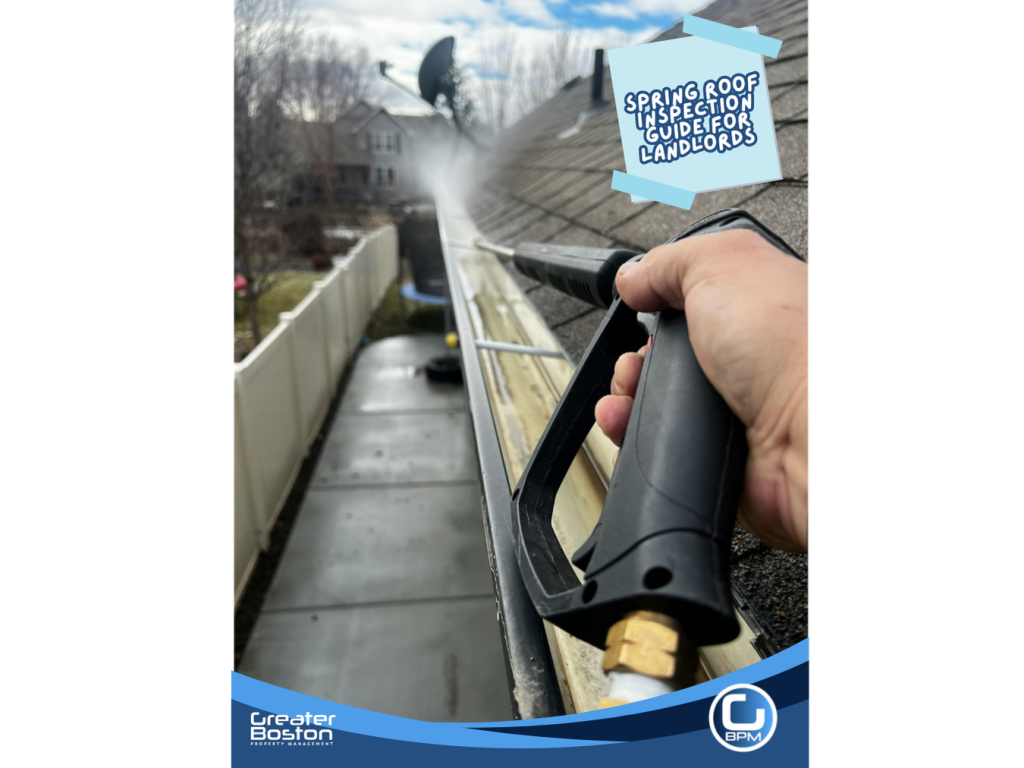
Your roof and gutters work together, inspect them as one system.
✔ Check:
☐ Gutters securely attached
☐ No sagging or pulling away
☐ No cracks or holes
☐ Downspouts clear and functional
☐ Water directed away from foundation
Recommended:
Related: Spring Property Maintenance Checklist
5. Perform an Interior Ceiling & Attic Check
Many roof problems show up inside first.
✔ Inspect:
☐ Water stains on ceilings
☐ Damp insulation
☐ Mold or mildew
☐ Sunlight coming through roof boards
☐ Drafts in attic
If you see interior signs, the issue may already be advanced.
6. Check Surrounding Trees & Roof Exposure
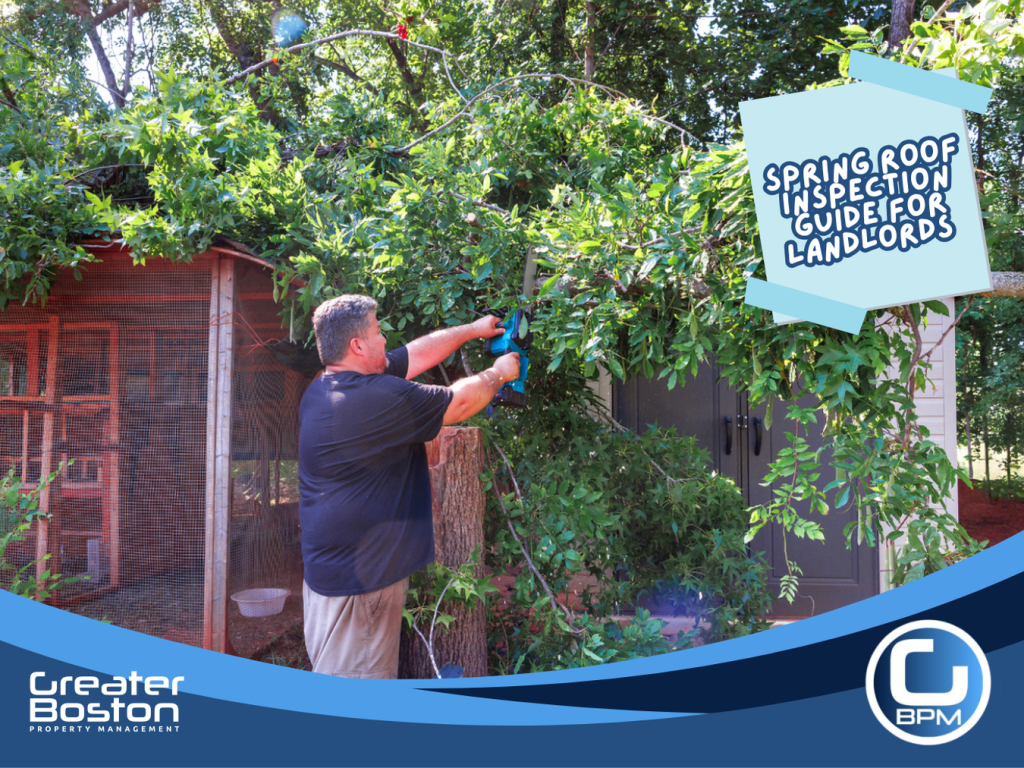
Trees are one of the biggest hidden threats to roofs.
✔ Inspect:
☐ Branches touching roof
☐ Overhanging limbs
☐ Debris buildup from trees
☐ Signs of pest activity
Recommended:
- Tree Pruning Tools
- Gutter Guards (for heavy tree areas)
7. When to Call a Professional Roofer
DIY inspection is helpful, but some issues require expert evaluation.
Call a professional if you notice:
- Multiple missing shingles
- Active leaks
- Sagging roof sections
- Persistent moisture in attic
- Structural concerns
Early repair can save thousands in replacement costs.
8. Landlord Roof Maintenance Strategy
For rental properties, roof maintenance is about risk prevention.
Landlords should:
☐ Schedule annual inspections
☐ Document roof condition
☐ Address small issues immediately
☐ Monitor after major storms
☐ Keep maintenance records
Related Resource: Property Maintenance Log Template (Excel)
Spring Roof Inspection Summary
✔ Perform ground-level inspection
✔ Identify ice dam damage
✔ Check flashing and leak points
✔ Inspect gutters and drainage
✔ Check attic and ceilings
✔ Trim nearby trees
✔ Call professionals when needed
Pro Tip: Think in Systems, Not Surfaces
Your roof is not just shingles, it’s a system:
- Roofing materials
- Flashing
- Ventilation
- Insulation
- Drainage
When one fails, the others follow.
Legal Disclaimer
This guide is for informational purposes only. Always follow safety guidelines and consult licensed roofing professionals for inspections and repairs.
Next in the Series (Part 3):
“Spring HVAC Maintenance Tips | Prepare Your AC for Summer”