Winter Heating Safety Tips | Keep Your Home Warm Without Fire Risks
Winter Heating Safety Tips | Keep Your Home Warm Without Fire Risks
Why Heating Safety Matters in Winter
Heating equipment is one of the leading causes of winter house fires and carbon monoxide incidents. As systems run longer and harder during cold weather, small issues can turn into serious hazards.
For landlords and homeowners, heating-related risks can lead to:
Fires and smoke damage
Carbon monoxide poisoning
Tenant injuries
Insurance claims and liability
Emergency system failures during cold snaps
Following proper heating safety practices protects both people and property.
Your primary heating system should always be professionally maintained.
Safe Heating System Practices:
☐ Schedule annual furnace or boiler inspection ☐ Replace air filters every 30–60 days ☐ Keep area around furnace/boiler clear ☐ Inspect flue and vent pipes for blockages ☐ Listen for unusual noises or smells ☐ Never store flammable items near heating equipment
Space heaters cause thousands of fires each winter, mostly due to misuse.
Common Mistakes:
Placing heaters near curtains or furniture
Leaving heaters unattended
Using extension cords
Running heaters overnight
Safe Use Rules:
☐ Keep heaters at least 3 feet from anything flammable ☐ Plug directly into wall outlet (no power strips) ☐ Use heaters with tip-over and auto-shutoff features ☐ Turn off when leaving the room or sleeping ☐ Never use in bathrooms unless rated for moisture
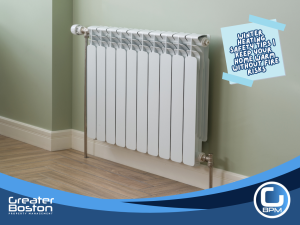
Radiators and baseboards are generally safe, but still require attention.
✔ Best Practices:
☐ Keep furniture and curtains away ☐ Do not cover radiators with fabric ☐ Bleed radiators annually (if applicable) ☐ Inspect for leaks or corrosion ☐ Teach tenants not to dry clothes on heaters
Fireplaces add warmth, but improper use creates major risks.
✔ Fireplace Safety Checklist:
☐ Schedule annual chimney inspection and cleaning ☐ Remove creosote buildup ☐ Use a fireplace screen ☐ Never burn trash, cardboard, or treated wood ☐ Ensure damper opens and closes properly ☐ Dispose of ashes in metal containers only
CO is an invisible, odorless gas, and extremely dangerous.
✔ CO Safety Rules:
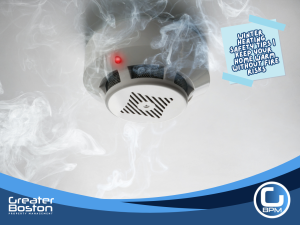
☐ Install CO detectors on every level of the property ☐ Test CO detectors monthly ☐ Replace batteries annually ☐ Never block vents or exhaust flues ☐ Never run generators or grills indoors
If a CO alarm sounds: evacuate immediately and call emergency services.
☐ Heating systems are code-compliant ☐ Annual inspections are documented ☐ CO and smoke detectors are installed and working ☐ Tenants receive heating safety instructions ☐ Emergency contacts are posted
☐ Never leave heaters unattended ☐ Report heating issues immediately ☐ Keep flammable items away from heaters ☐ Never use ovens or grills for heating ☐ Follow space heater safety guidelines
✔ Maintain and inspect heating systems ✔ Use space heaters safely, or avoid them ✔ Keep vents, flues, and radiators clear ✔ Install and test CO detectors ✔ Educate tenants early
Legal Disclaimer
This content is for informational purposes only. Always follow local building codes, fire safety regulations, and manufacturer instructions.