
Why Winterizing Your Rental Property Matters
Winterizing a rental property isn’t just about staying warm, it’s about reducing energy costs, preventing winter damage, and protecting your long-term investment.
Poor insulation and inefficient heating systems can lead to:
- High heating bills
- Frozen pipes
- Tenant discomfort
- HVAC system strain
- Ice dam formation
- Long-term structural damage
For landlords, improving winter energy efficiency can also increase tenant satisfaction and property value.
Download: Energy-Efficient Winterization Checklist (PDF)
Related Blog: Winter Property Maintenance Checklist for Landlords & Homeowners
1. Upgrade to Smart Thermostats
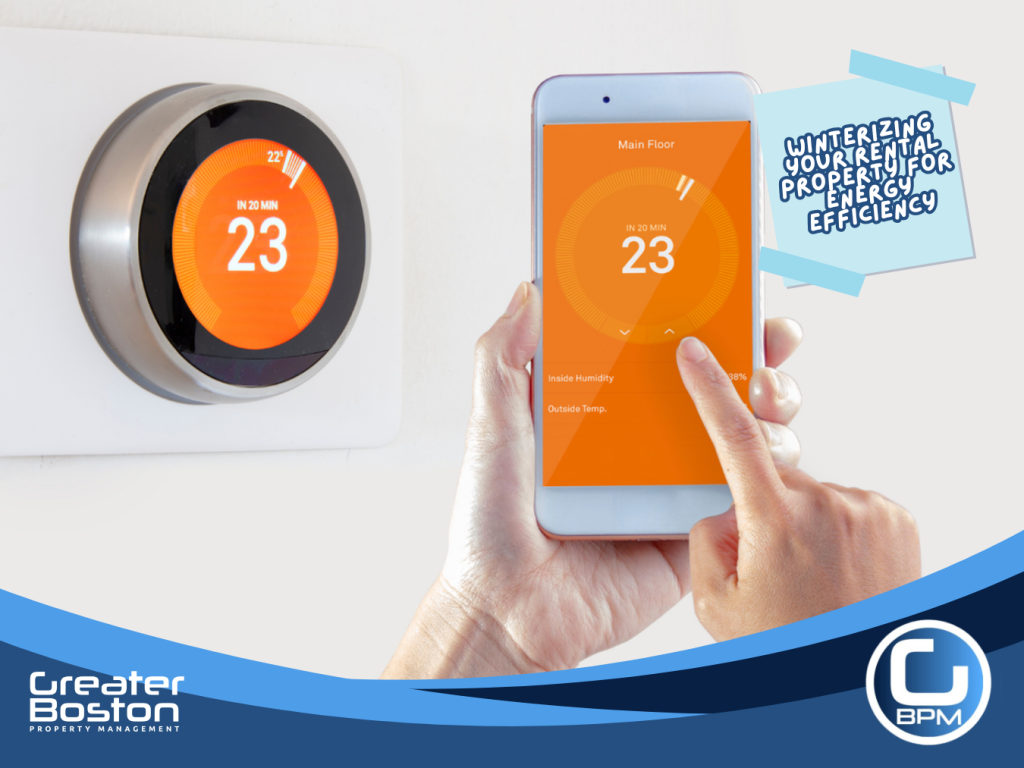
Smart thermostats help regulate temperature automatically and reduce energy waste.
Benefits include:
✔ Remote temperature control
✔ Automated heating schedules
✔ Energy usage monitoring
✔ Reduced heating costs
Smart thermostats are especially helpful for landlords managing vacant units or multi-property portfolios.
Recommended Options:
Related Resource: Smart Thermostat Installation Guide
2. Seal Air Leaks & Improve Weather-Stripping
Cold air infiltration is one of the biggest sources of heat loss.
Common areas to seal:
☐ Windows
☐ Exterior doors
☐ Electrical outlets on exterior walls
☐ Plumbing penetrations
☐ Attic access panels
Adding weather-stripping and caulking can reduce heating loss by up to 20% in some homes.
3. Improve Insulation
Insulation helps maintain consistent indoor temperatures and reduces heating system workload.
Focus on insulating:
☐ Attics
☐ Basements
☐ Crawl spaces
☐ Exterior walls
☐ Pipe systems
Proper attic insulation is also critical for preventing ice dams.
Related Blog: Ice Dam Prevention Guide for Landlords
4. Insulate Pipes to Prevent Heat Loss
Uninsulated pipes lose heat quickly and increase the risk of freezing.
Steps to take:
☐ Install foam pipe insulation
☐ Insulate pipes in basements and crawl spaces
☐ Seal air leaks around plumbing lines
☐ Install heat tape for vulnerable pipes
Related Resource: Frozen Pipe Prevention & Emergency Response Guide
5. Maintain Heating Systems
Heating systems work harder during winter, making maintenance essential.
Landlords should:
☐ Schedule annual furnace or boiler inspection
☐ Replace HVAC filters regularly
☐ Inspect ductwork for leaks
☐ Ensure vents and radiators are unobstructed
A properly maintained heating system runs more efficiently and safely.
Download: Heating Safety Inspection Checklist (PDF)
6. Upgrade Windows for Energy Efficiency
Older windows are a major source of heat loss.
Energy improvements include:
☐ Installing double-pane windows
☐ Adding storm windows
☐ Using window insulation film
☐ Repairing damaged window seals
Even simple upgrades can significantly improve indoor comfort.
7. Take Advantage of MassSave Energy Rebates
Massachusetts landlords may qualify for energy efficiency rebates through MassSave® programs.
Potential incentives include:
✔ Heating system upgrades
✔ Insulation improvements
✔ Smart thermostat rebates
✔ Home energy assessments
Learn more here:
https://www.masssave.com/
Energy rebates can offset the cost of winter efficiency upgrades.
8. Communicate Energy Efficiency Tips to Tenants
Tenant habits also affect heating efficiency.
Landlords should encourage tenants to:
☐ Keep thermostats at consistent temperatures
☐ Report drafts or heating issues
☐ Keep vents unobstructed
☐ Close windows during cold weather
Related Download: Tenant Winter Safety Guide
Winter Energy Efficiency Takeaways
✔ Install smart thermostats
✔ Seal drafts and air leaks
✔ Improve insulation levels
✔ Insulate exposed pipes
✔ Maintain heating systems
✔ Take advantage of MassSave rebates
Energy-efficient winterization helps landlords reduce operating costs while keeping tenants comfortable.
Legal Disclaimer
This guide is for informational purposes only. Always follow local building codes, safety regulations, and manufacturer recommendations when making energy-efficiency upgrades.
Read more