
Why Spring Safety Inspections Are Critical
After winter, your property may have hidden safety risks caused by:
- Freeze-thaw damage
- Moisture buildup
- Structural wear
- Reduced visibility and lighting
- Equipment wear and tear
For landlords, safety issues can lead to:
- Tenant injuries
- Liability claims
- Code violations
- Expensive emergency repairs
Spring is the ideal time to reset your property’s safety systems before peak occupancy and outdoor use.
Download: Spring Home Safety Inspection Checklist (PDF)
Related Blog: Spring Property Maintenance Checklist for Landlords & Homeowners
1. Test Smoke & Carbon Monoxide Detectors
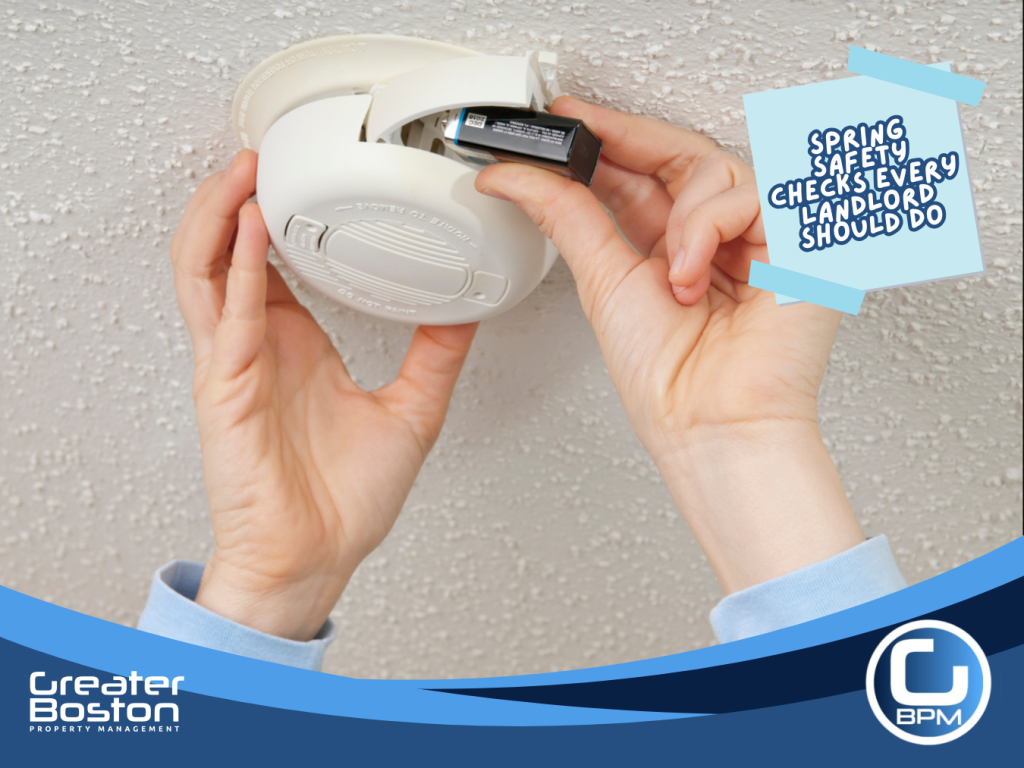
These are your first line of defense in emergencies.
✔ Check:
☐ Test all smoke detectors
☐ Test carbon monoxide (CO) detectors
☐ Replace batteries
☐ Confirm detectors installed on every level
☐ Ensure devices are not expired
Pro Tip:
Replace detectors every 7–10 years.
2. Improve Exterior Lighting & Visibility
Spring means more foot traffic and outdoor activity.
✔ Inspect:
☐ Entryway lighting
☐ Walkway lighting
☐ Parking area lighting
☐ Motion sensor lights
☐ Bulb brightness and coverage
Risk Reduction:
Proper lighting helps prevent:
• Slip-and-fall accidents
• Security risks
• Tenant complaints
3. Inspect Walkways, Stairs & Entry Points
These are the highest liability zones on any property.
✔ Check:
☐ Cracks in sidewalks
☐ Uneven surfaces
☐ Loose railings
☐ Damaged steps
☐ Debris or obstacles
Priority:
Fix anything that could cause a trip or fall immediately.
4. Inspect Decks, Porches & Railings
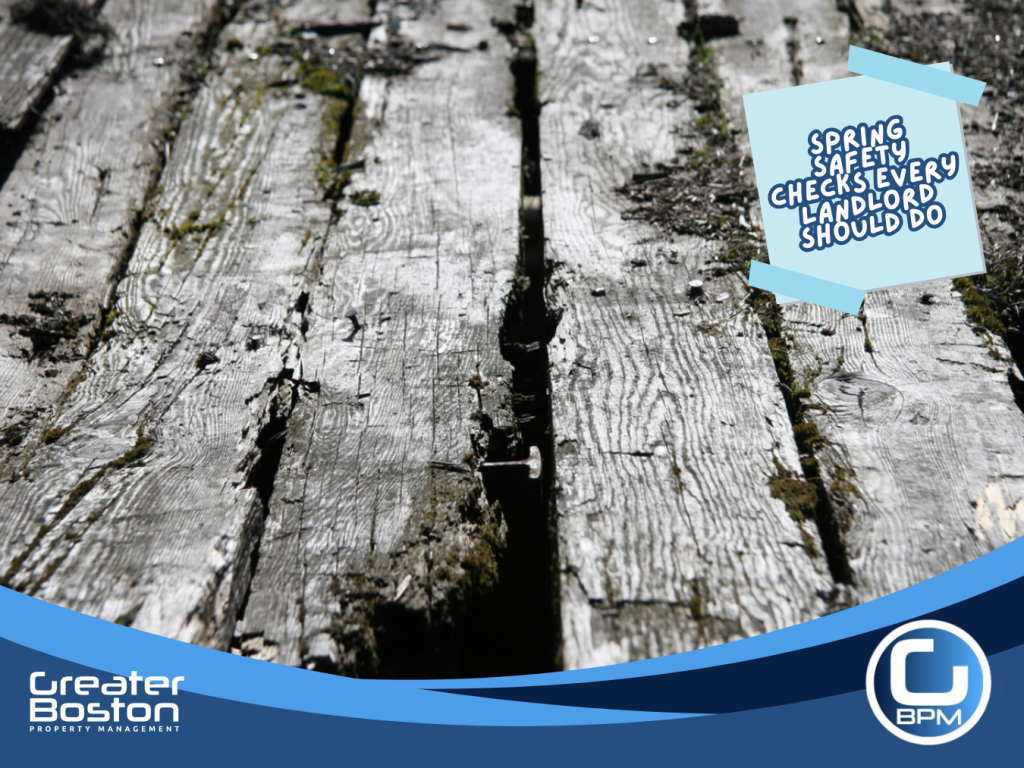
Winter moisture can weaken structural components.
✔ Inspect:
☐ Loose boards
☐ Weak railings
☐ Rotting wood
☐ Rusted fasteners
☐ Stair stability
High Risk:
Deck failures can lead to serious injury and liability.
5. Check Doors, Windows & Locks
Security and safety go hand in hand.
✔ Inspect:
☐ Door locks and deadbolts
☐ Window locks
☐ Sliding door tracks
☐ Door seals and alignment
☐ Emergency exits functioning properly
Related Blog: Protect Your Property the Smart Way | Security Camera Tips
6. Electrical Safety Check
Electrical issues are a leading cause of property fires.
✔ Check:
☐ Outlets for damage or burn marks
☐ GFCI outlets (test/reset)
☐ Circuit breakers
☐ Extension cord usage
☐ Loose wiring (visible areas only)
Call a licensed electrician if issues are found.
7. Outdoor Safety & Landscaping Hazards
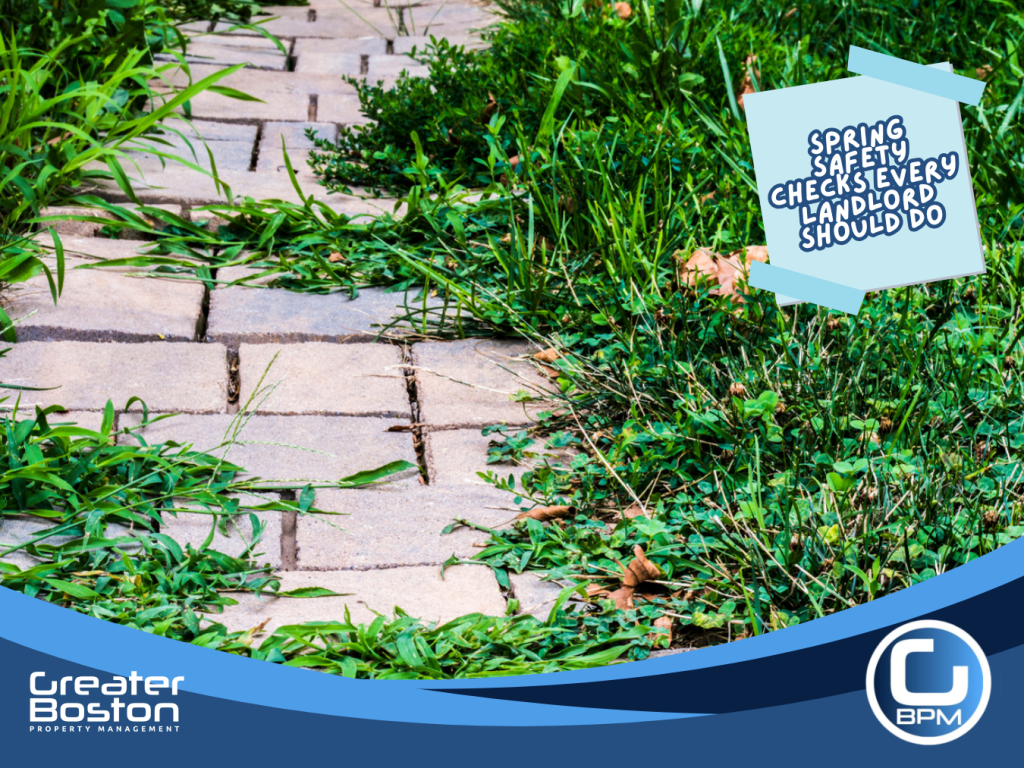
Spring growth can create new risks.
✔ Inspect:
☐ Overgrown bushes blocking paths
☐ Dead branches that could fall
☐ Uneven ground
☐ Drainage issues causing slippery areas
Related Blog: Spring Landscaping Tips for Rental Properties
8. Fire Safety Equipment Check
Every rental should be prepared for emergencies.
✔ Verify:
☐ Fire extinguishers present
☐ Proper placement (kitchen, garage)
☐ Not expired
☐ Easily accessible
9. Emergency Preparedness
Make sure tenants are ready in case of emergency.
✔ Confirm:
☐ Emergency contact numbers posted
☐ Clear access to exits
☐ Visible house/building numbers
☐ Functional flashlights or emergency lighting
10. Landlord Safety Management Strategy
Safety isn’t a one-time task, it’s an ongoing system.
✔ Best Practices:
☐ Conduct seasonal inspections
☐ Document all safety checks
☐ Address hazards immediately
☐ Communicate safety expectations to tenants
☐ Maintain inspection records
Related Resource: Property Maintenance Log Template (Excel)
Spring Safety Inspection Summary
✔ Test smoke & CO detectors
✔ Improve lighting
✔ Repair walkways and stairs
✔ Inspect decks and railings
✔ Secure doors and windows
✔ Check electrical systems
✔ Maintain outdoor areas
✔ Prepare for emergencies
Pro Tip: Safety = Risk Management
The goal isn’t just maintenance — it’s risk prevention.
Spring safety checks help you:
• Avoid liability claims
• Protect tenants
• Reduce emergency repairs
• Maintain property value
Complete Spring Maintenance Series (Internal Linking Boost)
• Part 1: Spring Property Maintenance Checklist
• Part 2: Spring Roof Inspection Guide
• Part 3: Spring HVAC Maintenance Tips
• Part 4: Spring Plumbing Inspection
• Part 5: Spring Landscaping Tips
• Part 6: Spring Pest Prevention Guide
• Part 7: Spring Safety Checks (This Post)
Legal Disclaimer
This guide is for informational purposes only. Always follow local building codes and consult licensed professionals when necessary.